Emphysema: What It Is, Symptoms, and Treatment in Turkey
The way humans are created is full of miracles. The heart constantly pumping blood and the kidneys purifying blood are themselves miracles. Another remarkable occurrence is the act of breathing. Humans breathe through…
Emphysema - What It Is, Symptoms, and Emphysema Treatment in Turkey
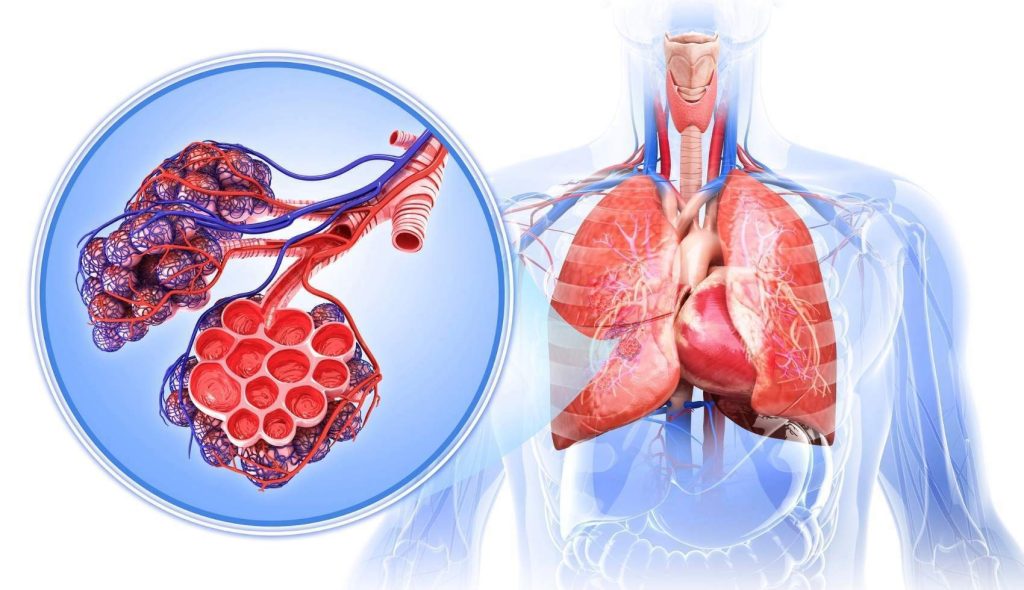
The way humans are created is full of miracles. The heart constantly pumping blood and the kidneys purifying blood are themselves miracles. Another remarkable occurrence is the act of breathing. Humans breathe through their lungs. The lungs bring oxygen from outside air into contact with blood. Before moving on to What is Emphysema and How It is Treated, let us first examine how the breathing process works.
The air we inhale from outside first fills our lungs. From there, it reaches our bronchi and subsequently to air sacs called alveoli. Blood vessels in the air sacs take clean air and bring it into contact with the blood. In the exhalation process, the mechanism works in reverse. In this opposite process, carbon dioxide in the blood is expelled and we complete the breathing cycle.
A healthy person's lungs contain approximately 300 million air sacs, with a shape resembling a grape bunch. With each inhalation, the sacs expand; with exhalation, they contract. In other words, the breathing process is directly proportional to the elasticity of the sacs.
What is Emphysema?
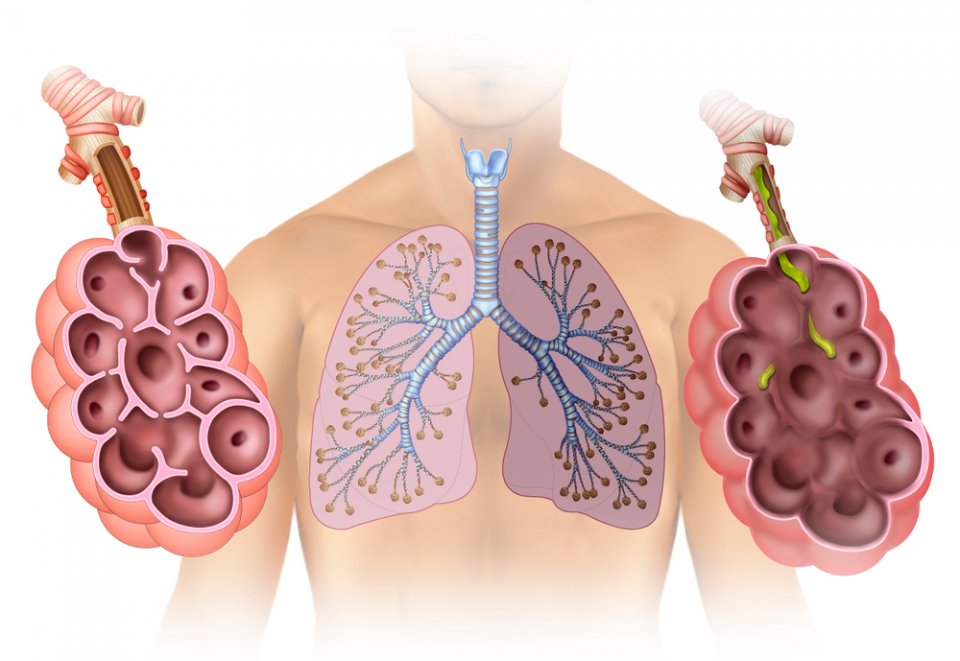
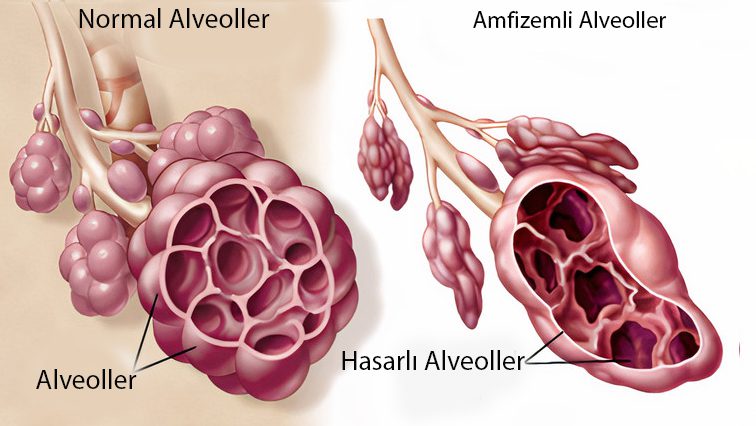
When addressing the question What is Emphysema, it refers to the loss of elasticity in these air sacs called alveoli, meaning they become inflated during inhalation but fail to contract again during exhalation. The non-contracting air sacs remain in an inflated state. Since some air from the previous breathing cycle remains inside, there is no space for newly inhaled oxygen. As a result, shortness of breath occurs.
Emphysema is considered one of the two main types within the Chronic Obstructive Pulmonary Disease (COPD) group and is a progressive disease; in other words, it tends to worsen over time. Although the exact mechanisms of the disease are not fully understood, it is believed that cigarette smoke causes inflammation and scarring in the walls of air sacs, reducing their elasticity. This loss of elasticity decreases the efficiency of oxygen-carbon dioxide exchange.
If this disease of the air sacs is treated early, the recovery rate is high. However, if left untreated, it can cause serious damage to the patient. With modern technology, this treatable disease has many different treatment methods available.
What Are the Causes of Emphysema?
Emphysema, while treatable but requiring serious attention and management, develops due to many different causes. To briefly answer the question What Are the Causes of Emphysema, we can list them as follows:
- Smoking by the individual,
- Having Alpha-1 Antitrypsin Deficiency,
- Exposure to secondhand smoke, meaning passive smoking,
- Exposure to air pollution can be listed among the causes of emphysema.
What Are the Symptoms of Emphysema?
When looking at the question What Are the Symptoms of Emphysema, some cases present differently depending on the individual. For this reason, symptoms can also vary. However, if we mention some of the commonly occurring symptoms:
- Chronic cough in the individual and difficulty breathing,
- Swelling that occurs in the chest cavity,
- Coughing fits and difficulty breathing that occur when the person engages in physical activity,
- Inflammation in the airway caused by smoking,
- Excessive sputum production,
- Feelings of extreme fatigue,
- Blue, gray, or purplish discoloration that occurs in the person's lips and nails,
- Excessive weight loss,
- Rapid heartbeat,
- Chest wheezing,
- Shortness of breath that occurs when climbing stairs are among the symptoms present.
Symptoms of Early and Mild Stages
Emphysema usually progresses insidiously and early signs can easily be overlooked. Some additional signs to pay attention to during this period include:
- Difficulty falling asleep or maintaining sleep (due to coughing, shortness of breath, or discomfort),
- Noticeably reduced exercise tolerance in daily activities,
- Increased susceptibility to recurring respiratory tract infections (such as bronchitis, pneumonia),
- Shape changes called "clubbing" in fingers and nails in advanced stages.
When any of these symptoms are noticed, it is recommended to consult a physician without delay to slow progression.
How is Lung Emphysema Diagnosed?
If emphysema is not treated, it becomes a disease that will severely burden the patient. For this reason, early detection and diagnosis are extremely important. So, let us examine together How is Lung Emphysema Diagnosed.
First, the patient must have certain symptoms. A person who visits a doctor due to certain complaints is first subjected to a physical examination. Following this examination, the doctor requests certain tests and investigations. We can list them as follows:
- Diagnosis through lung function tests,
- Diagnosis through the spirometry method,
- Chest X-ray imaging,
- Diagnosis through arterial blood gas analysis,
- Diagnosis made using computed tomography imaging and similar diagnostic methods.
What Are the Stages of Emphysema?
Emphysema is generally classified into four stages based on the degree of lung damage. Staging is done by evaluating together lung function tests, symptoms reported by the patient, and imaging studies (chest X-ray, CT scan).
- Stage 1 (Mild): There is limited lung damage. At this stage, the person may show no symptoms or may only feel mild shortness of breath during exertion.
- Stage 2 (Moderate): The damage is greater compared to Stage 1. Shortness of breath, coughing, wheezing, and a feeling of chest tightness may be seen during daily activities such as walking and dressing.
- Stage 3 (Severe): Lung damage is at an advanced level. Shortness of breath may be experienced even at rest; frequent respiratory infections, weight loss, and finger/nail clubbing may accompany it.
- Stage 4 (Very Severe): This is the stage where damage is at its most advanced level. The patient may need continuous supplemental oxygen support; the risk of respiratory failure increases significantly.
The stage of the disease directly affects the treatment options to be implemented. While lifestyle changes and medication may be sufficient in mild stages, more comprehensive approaches such as oxygen support or surgery may be necessary in severe and very severe stages.
What Are the Types of Lung Emphysema?
If we need to answer the question What Are the Types of Lung Emphysema, this disease has two most well-known types. The first is COPD, which stands for chronic obstructive pulmonary disease. The other is AIP, which stands for acute interstitial pneumonia.
While COPD is caused by smoking and environmental factors, AIP develops as a result of lung damage caused by an infection.
What is the Difference Between Emphysema and COPD?
Emphysema and COPD are frequently confused because emphysema is actually one of the two main disease types under the COPD umbrella. COPD is a broader term that encompasses both emphysema and chronic bronchitis. While emphysema makes exhalation difficult by damaging air sacs (alveoli) and causing loss of elasticity, chronic bronchitis causes inflammation and narrowing in the airways, making breathing in particularly difficult.
The most common cause of both is smoking; however, air pollution and other environmental factors can also play a role. Although symptoms overlap, wheezy breathing is relatively more prominent in chronic bronchitis, while chest tightness is more evident in emphysema. Diagnostic methods (physical examination, chest X-ray, respiratory function tests) are similar for both conditions, and the treatment approach focuses on symptom management and slowing disease progression.
What is the Difference Between Emphysema and Chronic Bronchitis?
Emphysema and chronic bronchitis are both lung diseases evaluated within the scope of chronic obstructive pulmonary disease (COPD) that make breathing difficult. While damage in emphysema occurs in the alveoli, in chronic bronchitis the damage is seen as inflammation and narrowing of the inner surface of the airways.
The most common cause of both conditions is smoking; however, other factors such as exposure to air pollution can also lead to chronic bronchitis. Regarding symptoms, wheezing is more frequently reported in chronic bronchitis, while chest pain/tightness is more common in emphysema. While there is no definitive cure for either condition, with appropriate management, patients' quality of life can be supported. When symptoms are noticed, consulting a physician early is important in preventing possible complications.
How is Lung Emphysema Treated?
Lung emphysema is an untreatable disease. When looking at How is Lung Emphysema Treated, the treatment methods applied are not completely curative; rather, they are efforts aimed at reducing the damage caused by the disease and improving the patient's quality of life. Treatment methods used for patients experiencing difficulty breathing can be listed as follows:
- Learning proper breathing techniques and receiving lung rehabilitation treatment,
- Nutritional therapy treatment method,
- Oxygen support therapy,
- Surgical treatment,
- Cessation of smoking,
- Creating a regular exercise program and encouraging the patient to exercise,
- Protecting oneself from cold weather,
- Vaccination therapy option,
- Protecting oneself from infections are among the treatment methods and supportive measures that can be applied.
Lung rehabilitation programs typically include education, exercise training, and psychological counseling components; in this way, the patient's ability to manage symptoms and overall quality of life are supported. When determining the appropriate treatment approach, the symptoms that most bother the patient, the severity of the disease, and the patient's general health status are evaluated together; therefore, the treatment plan should be created individually by the physician.
Medications Used in Emphysema Treatment
Emphysema treatment may involve the use of several different medications to alleviate the patient's symptoms and slow disease progression. These medications are typically given as part of a specific treatment plan determined by the physician. Here are some of the medications frequently used in emphysema treatment:
Bronchodilators: These medications help ease breathing by opening the airways. Inhalers containing corticosteroids and long-acting bronchodilators are commonly used in alleviating emphysema symptoms.
Corticosteroids: Corticosteroids can help by reducing inflammation in the lungs and assisting in opening the respiratory pathways. These are used in severe cases of emphysema.
Mucolytics and Expectorants: Mucolytics help thin and expel sputum. This can make breathing easier.
Oxygen Therapy: For emphysema patients, oxygen therapy can alleviate breathing difficulty by increasing blood oxygen levels.
Antibiotics: Used to control bacterial infections. Emphysema patients are at risk for infection.
Emphysema treatment can vary depending on the patient's symptoms, disease severity, and other health factors. For this reason, it is important to develop a personalized treatment plan for each patient. Regular monitoring of treatment and adherence to doctor's recommendations are critical in emphysema management. It should be remembered that emphysema treatment may be a lifelong process and the patient must work closely with their physician.
What Does Lung Emphysema Look Like on Imaging?
Emphysema is not something visible to the naked eye; however, its effects can be demonstrated through various imaging methods. Chest X-rays and computed tomography (CT) scans are commonly used in imaging the lungs and identifying emphysema findings. In these images, areas where air sacs have enlarged and expanded (hyperinflation) can be clearly distinguished.
A characteristic finding of emphysema is "bullae," defined as large air spaces within the lungs; these areas appear as dark areas in images. In advanced stages of the disease, the lungs may take on a flatter and more elongated appearance, and lung capacity may decrease correspondingly. Early recognition of these visual findings contributes to proper management of the diagnosis and treatment process.
Does Emphysema Cause Death?
Lung emphysema is a disease that cannot be completely cured; treatment is aimed at improving the person's quality of life through proper management. In this disease, when the person's willingness and effort are combined with initiating treatment, life expectancy can be prolonged.
During this treatment phase, the patient must strictly follow the physician's instructions and especially quit smoking if currently smoking. Timely check-ups, timely use of medications, and similar factors positively influence the treatment process. If we answer the question Does Emphysema Cause Death, if the person's diagnosis is late, if they persistently smoke, or if they do not follow the doctor's directions and support the treatment process, then yes, this disease can result in death.
How Can Emphysema Lead to Death?
As the disease progresses, the air sacs become unable to effectively perform oxygen-carbon dioxide exchange, creating chronic oxygen deficiency in the body. This causes the heart to work harder to compensate for insufficient oxygen supply; over time, the heart can weaken, progressing to heart failure. Additionally, air trapping in damaged air sacs causes the lungs to become excessively inflated (hyperinflation), making breathing even more difficult and increasing the risk of respiratory failure. Furthermore, respiratory tract infections such as pneumonia can also set the stage for serious complications in emphysema patients. For this reason, early diagnosis, regular monitoring, and adherence to treatment play a decisive role in preventing possible serious outcomes.
How Long Do Emphysema Patients Live?
It is not appropriate to assign a lifespan to diseases. Because patients' struggles with illness, the type and stage of the disease, the treatment methods used, and the patient's age and other external factors can alter a person's life expectancy. For this reason, it would not be accurate to provide a definitive answer to the question How Long Do Emphysema Patients Live.
How is the Process Managed in Stage 4 (Very Severe) Emphysema?
Stage 4 emphysema represents the most advanced stage of the disease, and it is not possible to provide a definitive figure that affects life expectancy; factors such as age, general health status, and lifestyle choices can influence the process in different directions. At this stage, lung rehabilitation, medication management, and supplemental oxygen support are commonly applied approaches. Lung transplantation may also be evaluated by the physician as an option for suitable candidates.
During this process, completely quitting smoking, maintaining a balanced nutritional regimen, and regular exercise (including breathing exercises such as pursed-lip breathing and diaphragmatic breathing) are important in supporting quality of life. As dealing with an advanced lung disease can affect mental health, receiving emotional support from family, close relationships, or support groups, and engaging in stress-reducing activities can be beneficial. Additionally, a personalized nutrition plan prepared with a dietitian's guidance and regular physician check-ups allow for updating the treatment plan according to the patient's condition.
Emphysema Treatment in Turkey
Developing and advancing technology and science affect the field of medicine. Scientists in Turkey and around the world conduct various research to find suitable treatment methods for many diseases and patients. Through these efforts, solutions found for diseases that seem impossible to treat become a beacon of hope for individuals. Turkey is among the countries where such work occurs and where new discoveries are made. For this reason, Turkish hospitals and doctors, which attract the attention of foreign nationals, are preferred for treatment.
Among the methods applied in emphysema management in Turkey is bronchoscopic lung volume reduction (BLVR). In this minimally invasive procedure, valves or coils that help reduce the volume of excessively inflated air sacs are placed into the lung with the help of a bronchoscope; in this way, supporting lung function and alleviating symptoms are targeted. In addition, comprehensive lung rehabilitation programs are also offered to support the patient's respiratory capacity, reduce the sensation of shortness of breath, and preserve general respiratory health. These programs typically combine exercise training, breathing technique education, and symptom management information. The method to be applied and medication therapy are evaluated by the physician according to each patient's clinical situation.
- Hospitals being spacious and fully equipped,
- Doctors being specialist in their field and having empathetic thinking,
- All hospital staff and intermediary firms assisting you being helpful and hospitable,
- All questions asked receiving correct and satisfactory answers in a short time,
- Treatment methods being scientifically based,
- Equipment used in applied diagnosis and assessment stages being state-of-the-art technology,
- Healthcare treatment prices in Turkey being affordable can be listed among the reasons for preference.
Emphysema Treatment Costs in Turkey vary. The patient's disease status, age, how they battle the disease, the stage and type of the disease, and similar factors create differences in the treatment methods used. For this reason, the price is not fixed. You can ask us all questions you have regarding emphysema and receive correct and satisfactory answers. You can also contact us for pricing information. Additionally, if you come to Turkey for treatment through our mediation, we can facilitate your visa procedures by sending an invitation letter to the consulate on your behalf.
Medical Information.This content has been prepared by the Vimfay content team with contributions from physicians who are experts in their field. All content on the site is for general informational purposes only and does not constitute medical advice. Vimfay is an intermediary organization; it does not provide diagnosis or treatment services. Please consult a physician for evaluation, diagnosis, and treatment regarding your complaint.
Let's plan the process together
Share your complaint in your own language; our team will get back to you.
Free Pre-AssessmentYorumlar
İlk yorumu siz yazın.