Eating Disorder Anorexia Nervosa: Symptoms and Treatment Options in Turkey
Anorexia nervosa presents itself as an eating disorder when examined closely. This psychological problem, which particularly affects individuals during adolescence, impacts the person's body as well. People who…
Anorexia: What It Is, Its Symptoms, and Anorexia Treatment in Turkey. Anorexia, when looked at closely, appears as an eating disorder. This psychological problem, which people catch particularly during adolescence, also affects the person's body. People who experience an eating disorder out of anxiety about gaining weight, who eat little or do not eat at all, are exposed to a disease that, if not treated, ends in death. You can read in detail in the rest of our article What Is Anorexia, How Is It Treated .
What Is Anorexia Nervosa?

Anorexia Nervosa is an eating disorder. Anxiety about gaining weight lies underneath it. For this reason, people avoid eating. Along with this, excessive weight loss is seen in individuals who sleep little and move frequently. This disease damages people both physically and mentally. Anorexia Nervosa, which progresses in an extremely dangerous way, is called the disease of the modern age. This disease, seen especially in girls in adolescence and in young adults, also worries parents greatly. The short answer to the question What Is Anorexia Nervosa could be this.
In this disease, which generally begins as a psychological disorder, the individual's nightmare is gaining weight. In fact, years ago a client was seen telling their counselor that, out of fear of gaining weight, they would not even lick a postage stamp. When this psychological disorder reaches advanced stages, as a result of the person's sudden and excessive weight loss, it is also known that the outcome can go as far as death because of bone erosion and heart and kidney disorders.
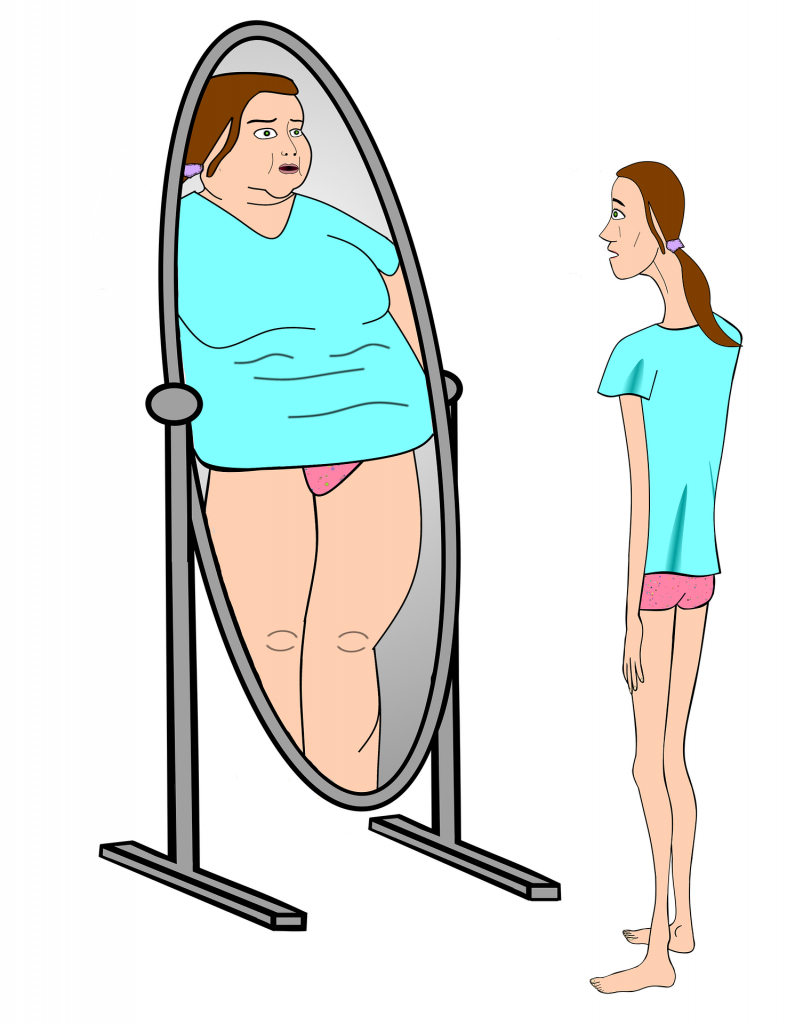
Who Gets Anorexia?
Anorexia nervosa is an eating disorder that can seriously and negatively affect both physical and mental health. People with this disease experience an intense fear of gaining weight even when they are dangerously thin. They may restrict their food intake severely, exercise excessively, and try to get rid of it from their bodies through methods such as vomiting or laxative use.
Anorexia can affect a person of any age, race, gender or sexual orientation. However, it is seen more often in some groups. Among these, the following can be listed:
- Young girls and adolescent women. It is most often seen in adolescent girls and young women. About 90% of anorexia patients are women.
- Those with a history of eating disorders in their family. People who have an eating disorder in their family have a higher risk of catching this disease.
- Perfectionist people and those with high expectations of themselves. The risk may increase in perfectionist individuals who expect a lot from themselves.
- Those who take part in competitive activities (such as sports, dance). The risk may increase in people who are in competitive fields where appearance is important.
- Those who have personality traits such as anxiety and depression.
- Those who are heavily exposed to media messages that highlight thinness and the ideal of beauty.
It must be stated that not every person who has one or several of these risk factors will develop anorexia. However, it is important that people who carry these risk factors are aware of the symptoms and signs of the disease and seek professional help if they are worried.
Anorexia in Adolescent Boys
Although anorexia is seen more commonly in girls and young women, it can also affect adolescent boys. In recent years, an increase has been seen in the number of adolescent boys with this disease.
Some factors that may contribute to the development of anorexia in adolescent boys are as follows:
- Social pressure to be thin. Adolescent boys may feel pressure from their peers, the media and their families to be thin. This pressure may be more intense in areas such as sports, where appearance is important.
- Perfectionism and high expectations. Adolescent boys who expect a lot from themselves may think they must be flawless in every area of their lives—including their appearance.
- Mental health problems. Adolescent boys who experience depression or anxiety may turn to an eating disorder as a way of coping with these feelings.
- A history of eating disorders in the family.
The symptoms of anorexia in adolescent boys are similar to the symptoms in girls and young women. However, there are also some unique difficulties that adolescent boys face with this disease. For example, since symptoms in adolescent boys can be confused with the signs of puberty or athletic training, this disease may be diagnosed and treated less often compared with girls.

Anorexia in Children
Although anorexia nervosa is generally seen in adolescents and young adults, it can also affect children. In recent years, an increase has been observed in the number of children with this disease.
Factors that may contribute to the development of anorexia in children are as follows:
- Genetics. The risk is higher in children who have a history of this disease in their family.
- Mental health problems. The risk may increase in children who experience depression or anxiety.
- Perfectionism and high expectations.
- Social pressure to be thin. This pressure may be more intense in children who take part in activities such as sports, where appearance is important.
The symptoms in children are similar to the symptoms in adolescents and young adults. However, since the symptoms in children can be confused with signs of normal growth and development, the diagnosis and treatment process can be more difficult.
What Are the Symptoms of Anorexia Nervosa?
Disorders that occur in the human body come with a number of symptoms. These symptoms can be called messages to people. The symptoms shown are the way the body in distress says, I have a problem. So let us learn together What Are the Symptoms of Anorexia Nervosa, the disease of the modern age.
- The symptom of excessive weight loss together with the person's refusal to eat,
- The symptom of eating excessively and, with a feeling of regret, vomiting the food,
- Hair growth appearing on the body of a person with anorexia nervosa,
- The person being constantly depressed and anxious because of this condition, which begins first with psychological problems,
- The person experiencing insomnia,
- Exercising constantly and heavily, along with not eating, because of an excessive obsession with weight,
- The person being extremely afraid of gaining weight,
- Constantly thinking that they are overweight,
- All the thoughts in their mind and the conversations they have with their friends being constantly about weight,
- In female individuals, not having a period for at least 3 months,
- Stomach pain and cramps, diarrhea or constipation,
- Problems occurring in the skin and hair,
- A feeling of nausea after eating and, after vomiting, the acid that accumulates in the mouth causing tooth decay,
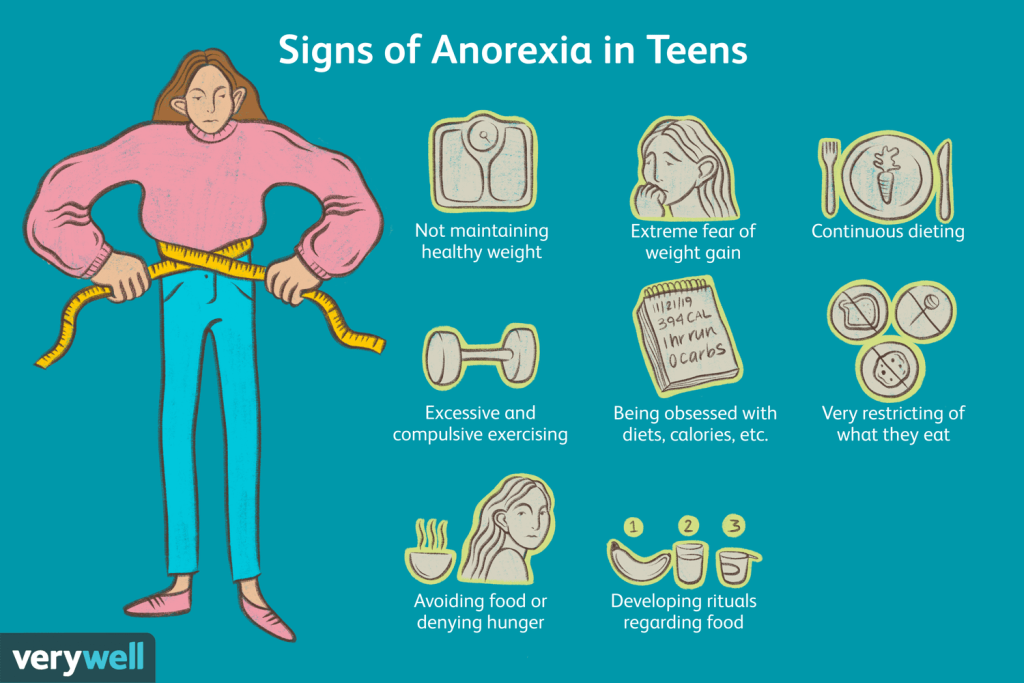
Physical Symptoms of Anorexia
The physical symptoms of anorexia are a result of the body being deprived of essential nutrients. These symptoms may include the following:
- Sudden and dramatic weight loss. It is the most obvious physical symptom of anorexia. A person can lose weight very quickly even if they were previously at a healthy weight.
- A thin and tired appearance. Body weight is quite low; the bones may stand out and muscle mass decreases.
- Abnormal blood values. Low red blood cell, low white blood cell and low platelet counts may be seen. This situation can lead to fatigue, anemia and an increased risk of infection.
- Constant fatigue and low energy. The body cannot get enough nutrients to function properly.
- Insomnia. Many factors such as anxiety, depression and hunger can lead to this situation.
- Dizziness or fainting. Low blood pressure and a low pulse may be seen; this can cause dizziness, fainting and other cardiovascular problems.
- Bluish discoloration of the fingers. It is a sign of poor blood circulation.
- Hair that thins, breaks or falls out. It is due to inadequate nutrition.
- Dry skin. The skin may become dry, flaky and pale.
- Nails that break easily.
- Constipation. It results from restricted food intake and the slowing of the digestive system.
- Intolerance to heat/cold. Because the body cannot produce enough heat, the person may feel cold even in hot weather.
If you notice any of the physical symptoms above in yourself or someone close to you, it is important that you consult your doctor without losing time. Anorexia is a serious medical condition that, when not treated, can lead to life-threatening complications.

Emotional and Behavioral Symptoms
The emotional and behavioral symptoms of anorexia can be as wearing as the physical symptoms. These symptoms may include the following:
- Intense fear of gaining weight. The person may see themselves as overweight or fat even if they are seriously thin; because of this belief, they may turn to behaviors such as skipping meals, excessive exercise and vomiting.
- Obsessive preoccupation with food and calories. Counting calories, weighing oneself many times a day and avoiding certain foods completely may be seen.
- Ritualized eating habits. Rigid rules may be created, such as eating certain foods at certain hours of the day or dividing food into small pieces.
- Social withdrawal. The person may move away from social activities and relationships because of the shame they feel about the eating disorder.
- Depression and anxiety. These mental states are frequently seen together with anorexia and can make the management of the disease even more difficult.
How to Help Someone with Anorexia?
If you suspect anorexia in someone close to you, one of the important steps you can take is to talk with them about it. Let them feel how worried you are about their health and that you want to help. You can offer to go to a doctor or therapist together.
When caring for someone with anorexia, it is important to be patient and understanding; the recovery process can be slow and difficult. With professional help and support, recovery processes that can vary from person to person may be observed in anorexia patients.
What Are the Causes of Anorexia Nervosa?
What Are the Causes of Anorexia Nervosa is among the questions that are greatly wondered about, especially by parents. It is a psychological disorder that generally occurs through the combination of many external factors. We can explain some of the causes of this disease for you as follows.
- The presence of diseases such as anorexia or bulimia nervosa in the person's family history,
- People having a job related to the body, such as dance or ballet, in which outward appearance is important,
- Social pressures that impose the perception that thin people look more beautiful,
- The stress the person experiences,
- Having gone through severe traumas,
- The confusion that entering adolescence brings,
Reasons such as these can cause this disease.
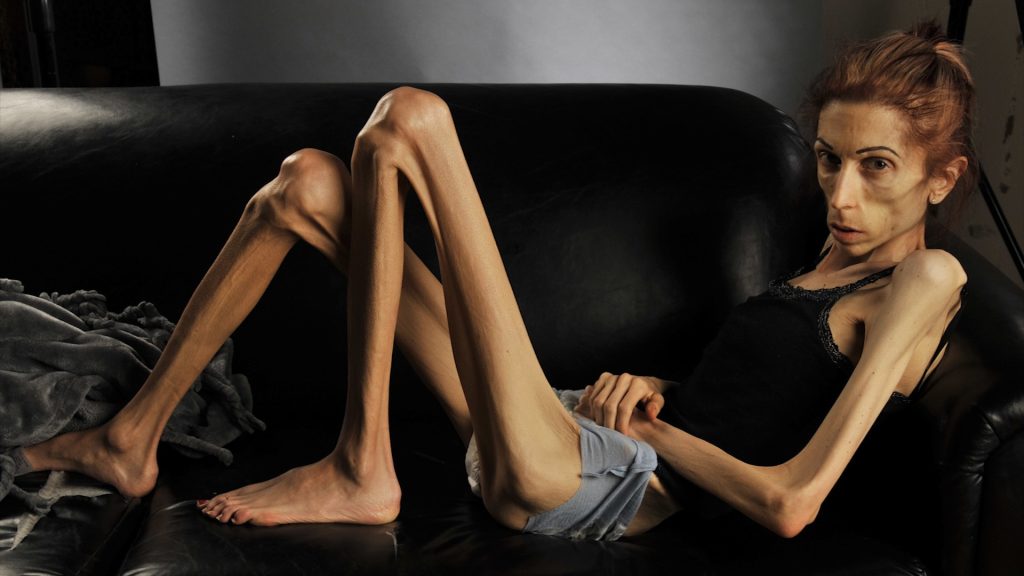
Risk Factors for Anorexia
Anorexia does not have a single cause, but there are some risk factors that may increase the likelihood of developing the disease. Among these, the following can be listed:
- Being female. Anorexia is more common in women and girls compared with men.
- Adolescence or young adulthood. Anorexia generally develops in these periods, but it can appear at any age.
- A history of anorexia or other eating disorders in the family.
- A history of trauma or abuse.
- Perfectionism and high expectations of oneself.
- Participation in competitive activities such as sports or dance.
- Personality traits such as anxiety and depression.
- Exposure to media messages that highlight thinness and the ideal of beauty.
Having one or several of these risk factors does not mean that a person will develop anorexia. However, it is recommended that people who carry these risk factors be careful about symptoms and signs and seek professional help when they are worried.
What Do Anorexia Nervosa Patients Eat?

Anorexia nervosa is a mental health problem that has a serious effect on eating habits. What anorexia patients eat or do not eat can change as a result of this disease. Anorexia patients generally restrict the amount of food greatly, or sometimes refuse to eat completely. This aims at weight loss and is part of their efforts to feel thinner.
Anorexia patients tend to skip meals, not eat, go hungry, or limit meals to very small portions. Because of inadequate nutrition, their bodies cannot get enough nutrients, which can lead to serious physical health problems.
Anorexia treatment includes nutritional rehabilitation and aims to help patients gain healthy eating habits. A professional health team creates a treatment plan suited to the patients' physical and psychological needs.
As a result, the eating habits of anorexia patients are generally inadequate and unhealthy. For this reason, professional help and treatment are necessary. Anorexia treatment aims at both physical and psychological recovery and encourages a healthy lifestyle.
How Is Anorexia Nervosa Diagnosed?
After the person applies to a doctor because of the eating disorder and severe weight loss, the doctor asks the patient for several tests. The purpose of these tests is to find out whether there are other diseases that cause the weight loss. If we look at How Is Anorexia Nervosa Diagnosed, the doctor first physically examines the patient. Height and weight are measured. Serious signs such as the person's pulse, blood pressure and body temperature are examined. Examinations are made of the heart, the liver and the abdominal area, which are the most affected regions. It is investigated whether deformation has occurred in the skin and nails.
After a number of tests and the physical examination, the stage of chatting with the person and asking questions begins. After the diagnosis of Anorexia Nervosa is made, it is recommended that the person receive both medical and psychological treatment.
How Much Weight Do Anorexia Patients Lose in a Month?
Anorexia nervosa is a serious mental health problem related to eating habits and body perception. Individuals with this disease often experience excessive weight loss, but the duration and amount of this loss can vary depending on personal factors.
The rate of weight loss in anorexia patients depends on many factors such as the patient's starting weight, age, gender and general health condition. However, this weight loss can be rapid and can be noticeable within a month.
This rapid weight loss emphasizes the harmful effects of anorexia on physical and psychological health. Anorexia can be a life-threatening disease, and for this reason it is important to get professional help as soon as possible.
Anorexia nervosa treatment may include psychotherapy, medical monitoring and nutritional rehabilitation. The treatment process is personalized, and the aim is for the patient to gain weight in a healthy way and develop healthy eating habits. It should not be forgotten that anorexia treatment must be carried out under the guidance of a specialist and the patient's weight gain must be followed very carefully.
Is Anorexia Nervosa Psychological?

Anorexia nervosa is a serious mental health problem that is fundamentally regarded as a psychological disorder. Anorexia patients tend to perceive themselves as fat and to experience excessive anxiety about weight. This situation leads patients to efforts to become thin through inadequate nutrition, excessive exercise and weight loss.
Anorexia is generally associated with anxiety about control, low self-esteem and negative thoughts toward oneself. Patients generally have obsessive thoughts about their bodies, and these thoughts affect their behavior.
However, anorexia is not limited to only a psychological problem. Excessive weight loss and poor nutrition can lead to serious physical health problems. For this reason, anorexia treatment includes psychotherapy as well as medical monitoring and nutritional rehabilitation.
As a result, anorexia is a disorder that has a psychological basis and generally develops in connection with mental health problems. However, it also has important harms on physical health, and for this reason it requires a holistic approach. Professional help and support are important in the recovery process of anorexia patients.
What Are the Treatment Methods for Anorexia Nervosa?
Anorexia Nervosa is seen more in girls who are in the developmental age and in adolescence, when the mind is confused. The understanding of fashion that the cosmetics industry imposes on people leads these individuals to accept the belief that they do not like their height, weight and appearance, and that to be beautiful they must by all means be thin. Because of this, this problem, which begins with the thought of paying attention to one's weight and going on a diet, turns into anorexia nervosa and the person's life is negatively affected. So let us take a look together at What Are the Treatment Methods for Anorexia Nervosa .
This disease generally leads to a hospital visit when it has reached serious proportions. This is because, from the patient's point of view, what is happening is normal and they still see themselves as fat. For this reason, during the treatment process, specialist doctors, dietitians and psychologists work together as a team and try to adapt the person to normal life. If the person has lost 30% or more of their weight, treatment is carried out under hospital conditions. Treatment begins by checking the hospitalized patient's general health condition, nutrition and psychological recovery.
During the treatment process, their family should be by their side. In addition, it is very important for the person to accept and believe in this treatment. If the person does not believe that they are not overweight and tries to hold on to their own truths, a certain progress cannot be made in treatment. After the treatments, when the patient has become healthy and reached the targeted weight, the patient is discharged. However, since this condition tends to recur, the person should be checked frequently.
Anorexia Nervosa Treatment Prices in Turkey
Turkey has achieved superior success in the treatment of many physical and psychological diseases, also by using modern treatment methods. In many serious diseases with a very high recovery rate, it has sent people home happy. This satisfaction has spread from mouth to mouth to everyone and made Turkey's name known. For this reason, Turkey ranks among the first among the countries preferred for every kind of treatment. We can explain the reasons for this preference for you in a few sentences as follows.
- The treatment methods used in Turkey being in line with modern medicine,
- The hospitals being advanced and fully equipped with the latest technology,
- The hospitals being clean, airy and spacious,
- The doctors and nurses being expert and experienced in their field,
- The doctors and nurses, again, being aware of the seriousness of the patients' health condition and approaching them with empathy,
- All the staff who look after the patient and help them come to Turkey, including the intermediary company, being hospitable and helpful,
- The treatments carried out in Turkey, the places of stay, and essential needs such as eating, drinking and clothing being met at affordable prices,
can be shown among the reasons for preference. Anorexia Nervosa Treatment Prices in Turkey are among the most wondered-about topics. Since people's diseases are specific to them, the treatment to be carried out and the time that passes are also again specific to the person. For this reason, there may be differences on the subject of price. You can contact us to learn any question and any price information you have in mind. In addition, if you come to Turkey through us, we can make your visa application procedures easier with the invitation letter that we send to the consulate.
Medical Information.This content has been prepared by the Vimfay content team with contributions from physicians who are experts in their field. All content on the site is for general informational purposes only and does not constitute medical advice. Vimfay is an intermediary organization; it does not provide diagnosis or treatment services. Please consult a physician for evaluation, diagnosis, and treatment regarding your complaint.
Let's plan the process together
Share your complaint in your own language; our team will get back to you.
Free Pre-AssessmentReviews
Be the first to write a review.