Type 2 Diabetes
Type 2 Diabetes is a metabolic disorder in which the body cannot effectively utilize insulin hormone or produce sufficient amounts of it. Insulin is a key hormone that helps transport blood sugar to cells, assisting in…
Type 2 Diabetes: A Comprehensive Guide
Type 2 Diabetes is a metabolic disorder in which the body cannot effectively utilize insulin hormone or produce sufficient amounts of it. Insulin is a key hormone that helps transport blood sugar to cells, assisting in energy production. In Type 2 Diabetes, cells become insensitive to insulin or the body fails to produce adequate amounts of insulin, leading to elevated blood sugar levels that can cause serious health problems over time.
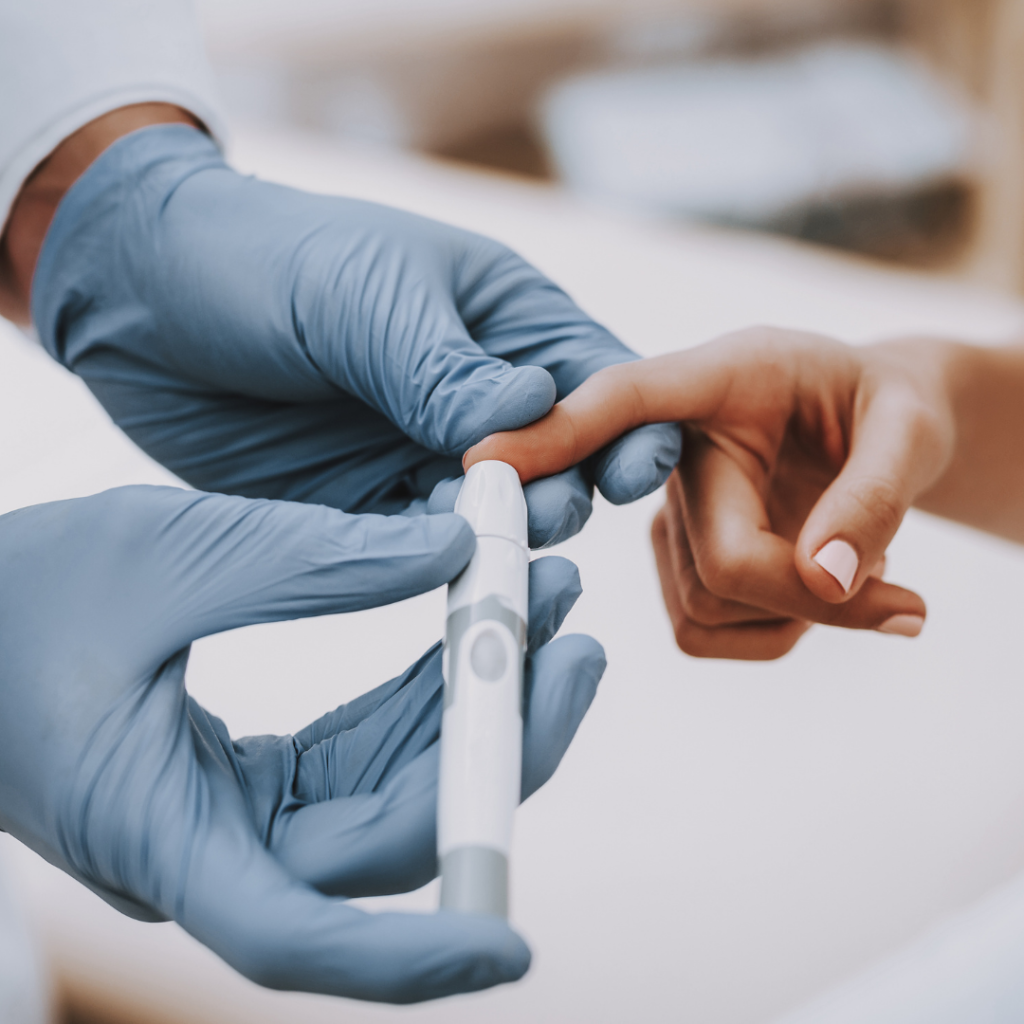
Symptoms of Type 2 Diabetes
Type 2 Diabetes is a metabolic disorder in which symptoms typically develop slowly but can lead to serious consequences. Early diagnosis is important to prevent disease progression and minimize health complications. Here are the symptoms of Type 2 Diabetes and ways to recognize them:
- Excessive Thirst and Frequent Urination: Type 2 Diabetes causes elevated blood sugar levels in the body, leading to increased urination. This condition often brings with it a sensation of excessive thirst.
- Fatigue and Weakness: Persistent fatigue is a notable sign of Type 2 Diabetes. Imbalanced blood sugar levels can affect energy levels, causing individuals to feel constantly weak.
- Blurred Vision: Diabetes can also affect eye health. Elevated blood sugar levels may cause temporary or persistent blurred vision.
- Slow Wound Healing: Type 2 Diabetes can affect blood circulation and the immune system in the body, prolonging the wound healing process. If you notice that minor cuts or sores heal more slowly than normal, this may be such a symptom.
- Weight Loss or Weight Gain: Type 2 Diabetes can affect metabolism and cause changes in weight. While some individuals may experience weight loss, others may gain weight.
- Irritability and Restlessness: Fluctuations in blood sugar levels can affect the nervous system and lead to emotional symptoms such as irritability, restlessness, or anxiety.
Type 2 Diabetes symptoms typically develop gradually and vary from person to person. However, recognizing and identifying these symptoms can help facilitate early diagnosis and initiation of appropriate treatment, preventing health complications. For this reason, it is important to consult a healthcare professional upon noticing any symptoms. Remember, health is always a priority, and regular health check-ups are vital for a healthy life.
Testimonials from Those Who Have Undergone Type 2 Diabetes Surgery
Type 2 Diabetes is a disease that can be managed through lifestyle changes and medication therapy, but in some cases, management becomes difficult at advanced stages. In such situations, some patients prefer Type 2 Diabetes surgery. It is important to convey patients' experiences and changes they have undergone after surgery in their own words.
- Weight Loss and Blood Sugar Control: Patients who undergo Type 2 Diabetes surgery typically experience weight loss following the procedure. This weight loss can help bring blood sugar levels under control. Many patients report experiencing significant improvements in their blood sugar levels after surgery.
- Reduced Medication Dependency: Following Type 2 Diabetes surgery, many patients experience reduced medication use or gain the opportunity to transition to a medication-free lifestyle. This contributes to improved quality of life for patients and increased convenience in their daily routines.
- Increased Energy and Mobility: The weight loss experienced after surgery and the regulation of blood sugar lead many patients to experience increased energy levels and adopt a more active lifestyle. Greater mobility and physical activity positively impact their overall health status.
- Emotional and Psychological Effects: The changes experienced following Type 2 Diabetes surgery are not only physical but can also be emotional and psychological. Patients report experiencing a more positive mood state along with the positive changes they experience after surgery.
- Changes in Eating Habits: Following surgery, patients may experience significant changes in their eating habits. Adopting healthier eating practices and maintaining portion control are important for continued success after surgery.
These testimonials highlight the diversity and importance of experiences following Type 2 Diabetes surgery. However, every patient is different, and careful evaluation and consultation are necessary before and after surgery. Patients considering Type 2 Diabetes surgery should consult with a healthcare professional to determine the most appropriate treatment option for them. Remember, always seek expert advice when making health decisions.

Type 2 Diabetes Surgery
Type 2 Diabetes has become an increasingly serious health problem worldwide. While this chronic disease can be controlled through lifestyle changes and medication therapy, in some cases management becomes difficult at advanced stages. At this point, Type 2 Diabetes surgery (metabolic surgery) emerges as an important treatment option.
Type 2 Diabetes surgery is typically performed using metabolic surgical procedures, also known as obesity surgery. These surgeries work by promoting weight loss and regulating blood sugar levels through hormonal changes in the treatment of Type 2 Diabetes. The most commonly performed surgeries include gastric bypass, sleeve gastrectomy, and biliopancreatic diversion.

Advantages of Type 2 Diabetes Surgery
- Weight Loss and Blood Sugar Control: Type 2 Diabetes surgery enables patients to lose weight and brings blood sugar under control. This can reduce or completely eliminate medication dependency.
- Reduced Health Complications: The weight loss and improvement in blood sugar levels following surgery can reduce the risk of health complications related to Type 2 Diabetes. Significant decreases can be seen in risks associated with complications such as heart disease, hypertension, and certain types of cancer.
- Better Quality of Life: Following Type 2 Diabetes surgery, patients generally experience a better quality of life. Positive changes such as increased energy, higher tolerance for physical activity, and psychological improvement may be observed.
What Are the Differences Between Type 1 and Type 2 Diabetes?
Type 1 and Type 2 Diabetes are both chronic diseases affecting metabolism; however, there are important differences in their underlying causes, development processes, and treatment methods. Here are the main differences between Type 1 and Type 2 Diabetes:
1. Definition:
- Type 1 Diabetes: Type 1 Diabetes occurs as a result of the immune system mistakenly destroying the insulin-producing beta cells of the pancreas. In this condition, the body cannot produce insulin, and insulin must be injected from an external source.
- Type 2 Diabetes: Type 2 Diabetes is typically associated with insulin resistance or insufficient insulin production by the pancreas. The body cannot effectively use the insulin it produces or produces it in insufficient quantities.
2. Causes:
- Type 1 Diabetes: The underlying cause of Type 1 Diabetes is the destruction of beta cells in the pancreas as a result of an autoimmune reaction. The exact reason why this condition is autoimmune is not fully understood.
- Type 2 Diabetes: While the exact cause of Type 2 Diabetes is not fully known, it is thought that genetic predisposition, obesity, reduced physical activity, and poor eating habits play a role.
3. Treatment Methods:
- Type 1 Diabetes: Type 1 Diabetes treatment involves maintaining blood sugar levels under control through external insulin injections. Methods such as insulin pumps and insulin needles can be used.
- Type 2 Diabetes: Type 2 Diabetes treatment includes approaches such as lifestyle changes, dietary patterns, regular exercise, and medication therapy. In severe cases, oral antidiabetic drugs or insulin therapy may also be necessary.
In conclusion, the differences between Type 1 and Type 2 Diabetes lie in the underlying causes of the disease, development processes, and treatment methods. Correctly determining which type of diabetes an individual has is important for establishing an appropriate treatment plan and minimizing the effects of the disease. Both types of diabetes are serious health problems, and it is important for individuals to maintain regular communication with healthcare professionals.
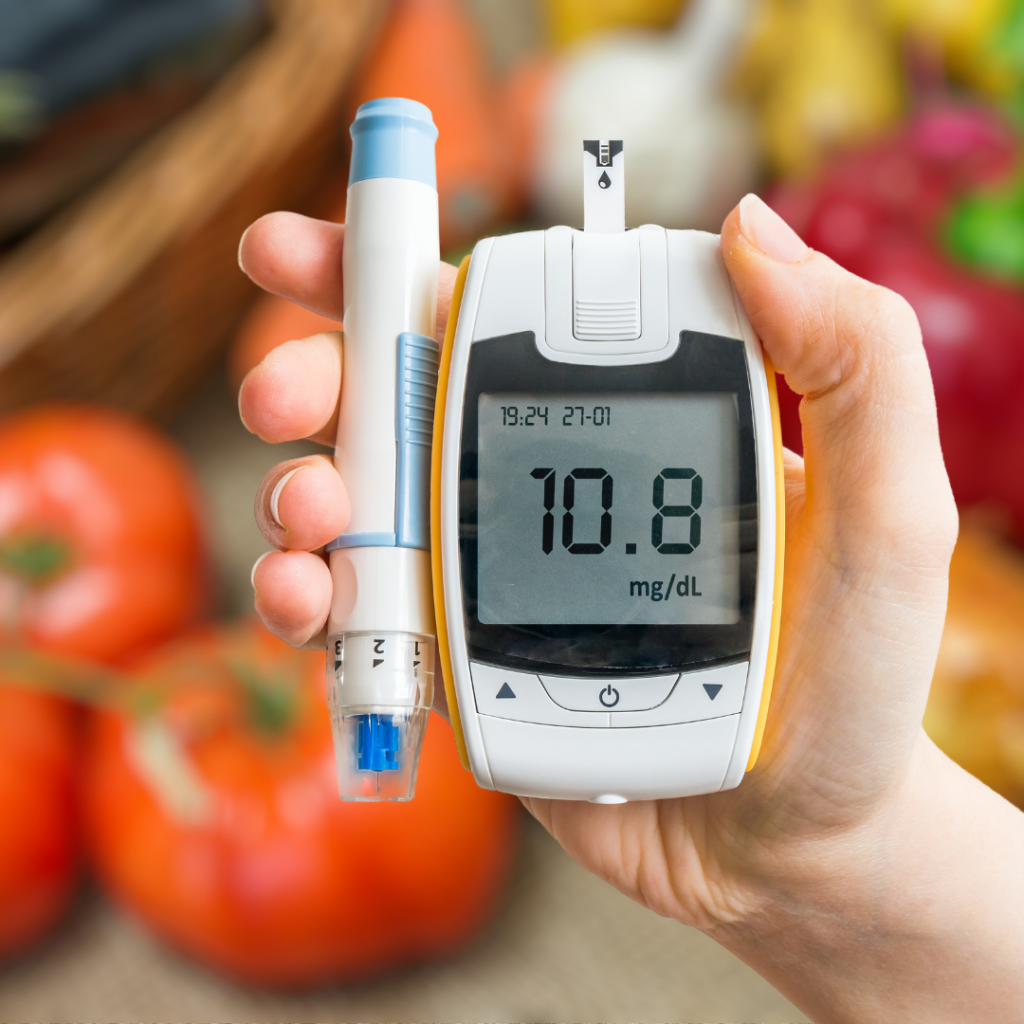
Type 2 Diabetes Food List
Type 2 Diabetes can be controlled through a healthy lifestyle and balanced nutrition. Nutrition plays an important role in Type 2 Diabetes management because it can help balance blood sugar and promote healthy weight control. Here is a recommended food list for individuals with Type 2 Diabetes:
1. Whole Grains: Whole wheat bread, brown rice, bulgur, and oatmeal are products rich in fiber and nutritious components. Wheat, rice, and other whole grain foods can help balance blood sugar levels.
2. Protein Sources: Lean proteins such as turkey breast, chicken breast, salmon, and tuna can help slow blood sugar elevation and maintain a prolonged feeling of satiety.
3. Vegetables: Colorful vegetables, especially leafy greens (spinach, chard, broccoli), carrots, zucchini, and peppers are rich in fiber, vitamins, and minerals. These vegetables can help maintain blood sugar control.
4. Fruits: Low glycemic index fruits such as strawberries, blueberries, apples, and pears should be preferred. These fruits prevent rapid blood sugar elevation while being rich in fiber and antioxidants.
5. Healthy Fats: Healthy fats such as olive oil, avocado, and fish oil can help maintain blood sugar control and support heart health.
6. Foods to Reduce: Refined sugars, processed foods, white flour products, and saturated fats are high glycemic index and unhealthy foods that individuals with Type 2 Diabetes should reduce their consumption of.
7. Portion Control: Portion control is important. Consuming healthy portions of meals and eating regular meals at appropriate intervals can help maintain blood sugar control.
This food list can help individuals with Type 2 Diabetes develop healthy eating habits. However, since each individual's metabolism is different, it is important to consult with a nutritionist or dietician to determine what is most suitable for your personal nutritional needs. Regular exercise combined with healthy eating habits contributes to maintaining blood sugar control and improving overall health status. Remember, Type 2 Diabetes management is a personal process and may require patience.
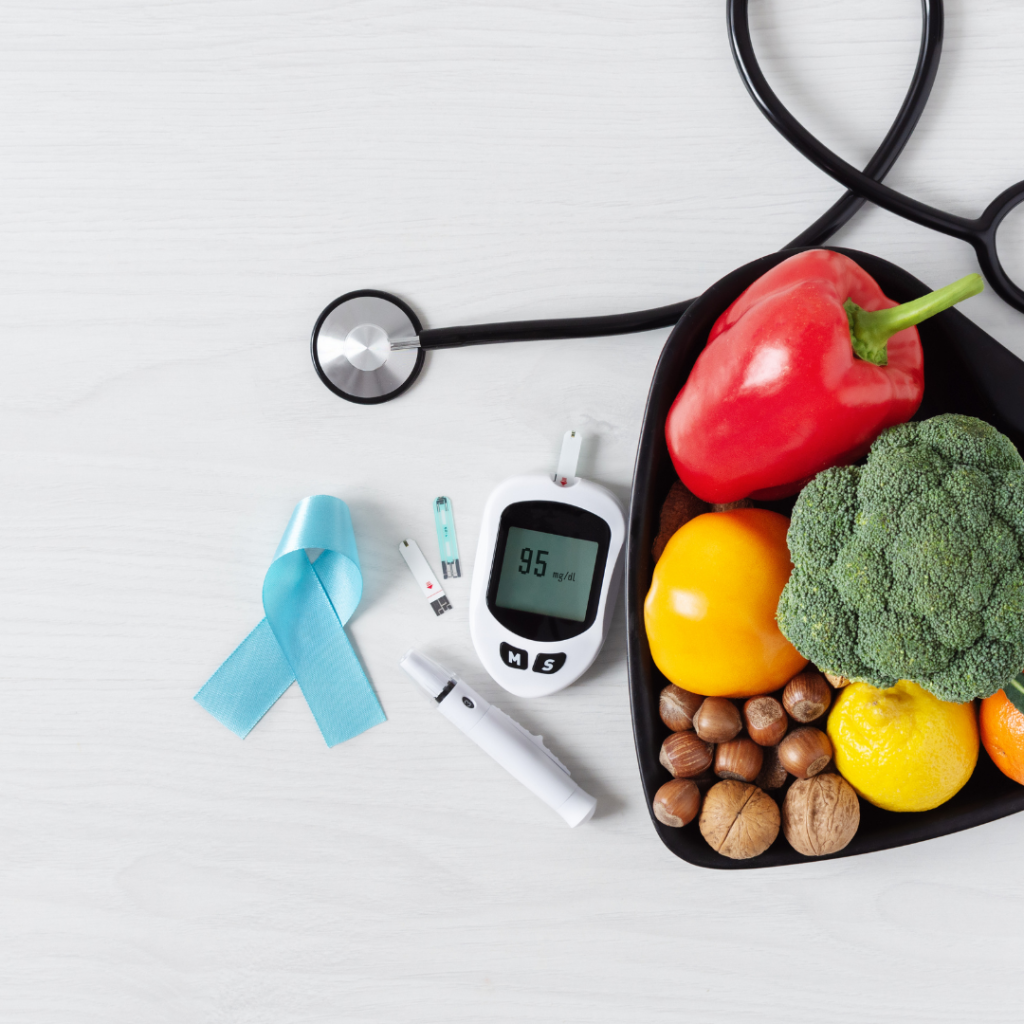
What Causes Type 2 Diabetes?
Diabetes is a health condition in which blood sugar levels in the body are elevated. The human body produces a hormone called insulin to convert glucose obtained from food into energy. Diabetes occurs in situations where this insulin is produced insufficiently or becomes ineffective. Diabetes can have many causes, but fundamentally genetic predisposition, lifestyle factors, and environmental factors play a role.
Genetic Predisposition: Individuals with a family history of diabetes have a higher risk of developing diabetes. Genes can affect how the body produces and uses insulin, which can contribute to diabetes development.
Lifestyle Factors: Unhealthy eating habits, obesity, irregular exercise, and stress are lifestyle factors that can increase diabetes risk. In particular, excessive consumption of processed foods and a sedentary lifestyle can increase the risk of Type 2 Diabetes.
Environmental Factors: Environmental factors that increase diabetes risk include pollution, chemical exposure, and certain infections. These factors can increase inflammation in the body, enhancing insulin resistance and triggering diabetes development.
In conclusion, diabetes typically results from the interaction of multiple factors. Adopting a healthy lifestyle is an important step in reducing diabetes risk. Habits such as balanced nutrition, regular exercise, and stress management play an important role in preventing and controlling diabetes.
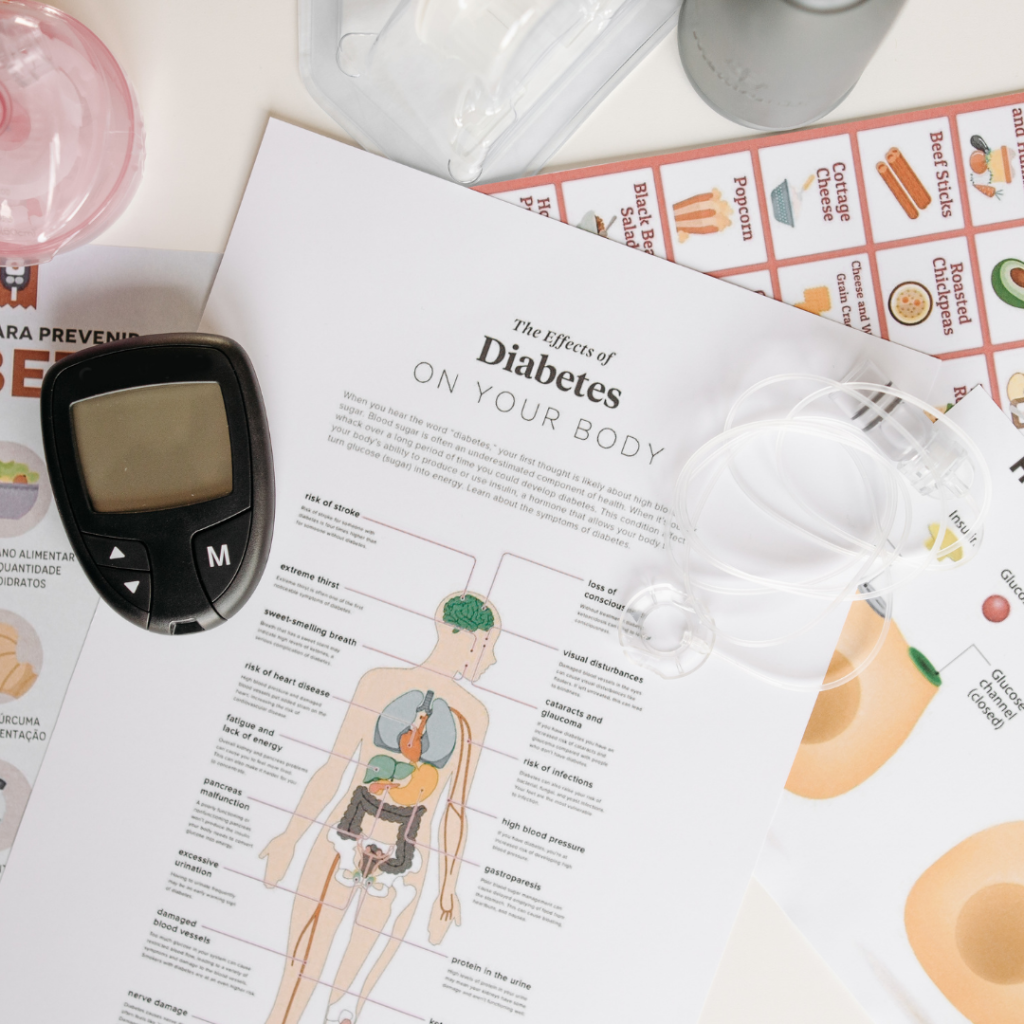
Can Type 2 Diabetes Be Cured?
Type 2 Diabetes is a condition in which the body cannot effectively utilize insulin or produce sufficient amounts of it. For many individuals, Type 2 Diabetes is a condition that can be controlled and even reversed through lifestyle changes and appropriate treatment. However, the recovery process depends on many factors such as the individual's lifestyle, genetic predisposition, and response to treatment.
Recovery primarily begins with healthy lifestyle changes. A balanced nutrition plan, regular exercise, and weight control play an important role in Type 2 Diabetes management. Adopting healthy eating habits can help balance blood sugar levels and control body weight.
Additionally, medication therapy or insulin use may also help control Type 2 Diabetes for some individuals. Regularly taking medications recommended by a doctor and adhering to the treatment plan are important steps in diabetes management.
However, the recovery process may not be the same for everyone. While Type 2 Diabetes can be completely controlled in some individuals, in others the disease may progress and require more treatment. Additionally, diabetes may have irreversible complications.
In conclusion, Type 2 Diabetes can be a reversible condition; however, this process depends on how committed the individual is to lifestyle changes and how they respond to treatment. Regular doctor visits and guidance from health professionals are important in diabetes management.
How is Type 2 Diabetes Treated?
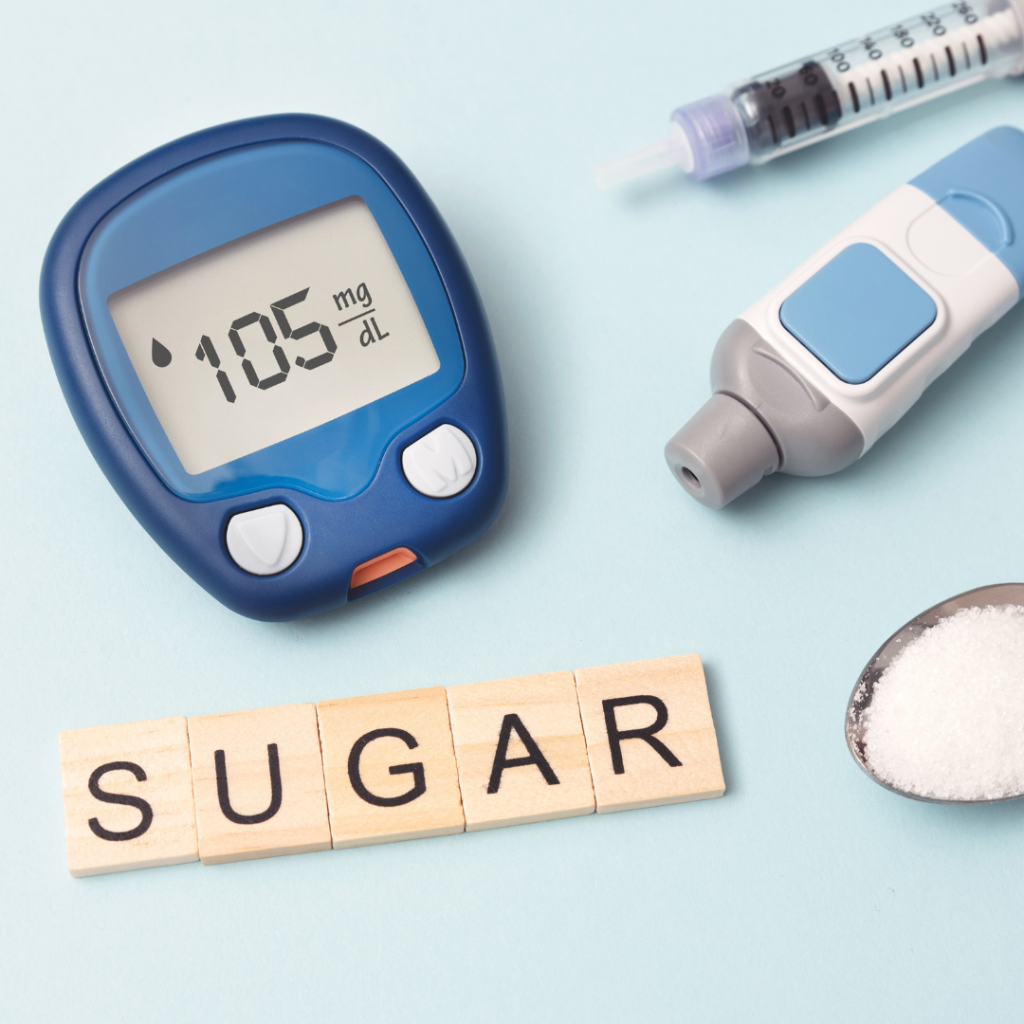
Type 2 Diabetes is a condition in which blood sugar levels are elevated and is generally treated with lifestyle changes and medications. Type 2 Diabetes treatment aims to keep blood sugar levels under control, reduce complication risk, and improve overall health.
Lifestyle changes play a fundamental role in Type 2 Diabetes treatment. A balanced nutrition plan, regular exercise, and weight control can help balance blood sugar levels. A healthy diet includes reducing the consumption of processed foods and sugar, preferring fiber-rich foods, and controlling portions. Exercise helps muscles utilize glucose more effectively and contributes to blood sugar regulation. Additionally, weight loss can also help bring blood sugar under control.
Medications can be used to regulate blood sugar levels. Oral antidiabetic medications can help reduce the body's insulin resistance or stimulate the pancreas to release more insulin. In some cases, insulin injections may also be necessary, especially if other treatments are not providing adequate control of blood sugar levels.
The treatment plan varies depending on individual needs and health status. Adhering to the treatment plan recommended by your doctor helps manage Type 2 Diabetes effectively. Additionally, regular doctor visits and monitoring of blood sugar levels are also important.
In conclusion, Type 2 Diabetes treatment requires an individualized approach along with lifestyle changes and medications. Healthy nutrition, regular exercise, and medication therapy can help bring Type 2 Diabetes under control and improve quality of life.
Medical Information.This content has been prepared by the Vimfay content team with contributions from physicians who are experts in their field. All content on the site is for general informational purposes only and does not constitute medical advice. Vimfay is an intermediary organization; it does not provide diagnosis or treatment services. Please consult a physician for evaluation, diagnosis, and treatment regarding your complaint.
Let's plan the process together
Share your complaint in your own language; our team will get back to you.
Free Pre-AssessmentReviews
Be the first to write a review.