Treatment of Methamphetamine (Meth) Addiction
Methamphetamine is a stimulant drug that directly affects the Central Nervous System (CNS), which constitutes the largest portion of the nervous system in the human body.
Methamphetamine: What You Need to Know
Methamphetamine is a stimulant drug that directly affects the Central Nervous System (CNS), which constitutes the largest portion of the nervous system in the human body.
What is Methamphetamine (Meth)?
This substance is available in the market in pill or powder form. It has a highly potent stimulant effect. Methamphetamine is also known colloquially as crystal, ice, meth, or crank. It has become one of the most frequently used substances in recent times. It is an extremely harmful, dangerous substance with one of the highest addiction potentials. It is colorless and odorless.
What Are the Signs of Crystal Methamphetamine Addiction?
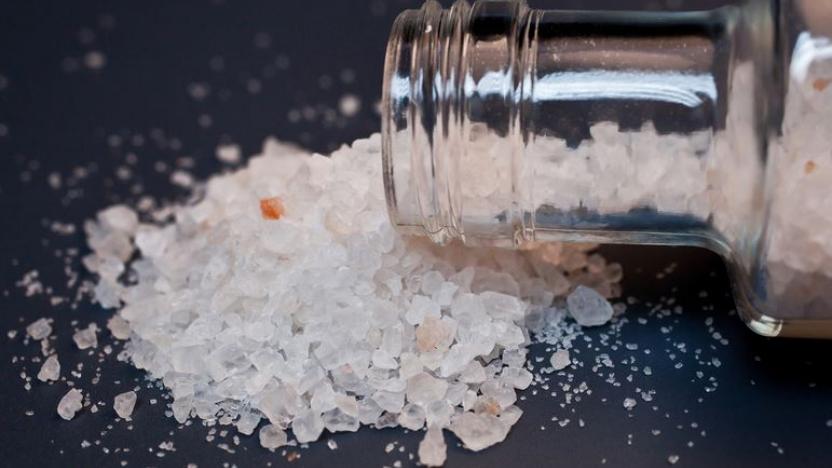
Methamphetamine, which has begun to spread worldwide and ranks among the most dangerous substances, is initially taken into the body in small amounts. Following its effects on the central nervous system, proteins found in cell membranes that serve as receptors begin to decrease. As a result of this decrease, the body requires more of the substance to achieve the previous stimulant effect, thereby creating addiction.
When a person does not use the substance, the body gradually eliminates it, leading to a condition known as withdrawal. As withdrawal progresses, visible symptoms appear in the dependent individual. These symptoms are as follows:
- Psychological symptoms that typically occur when the substance is not used, such as anxiety, a sense of unease, and depression,
- Red eyes, tearing, or a sensation of irritation and discomfort,
- Indifference and apathy toward one's surroundings,
- Excessive sleeping or severe insomnia,
- Feeling weak and fatigued,
- Antisocial behavior, withdrawal from people, and lack of motivation at work,
- Decreased sexual desire,
- Loss of appetite or increased appetite,
- Paranoia.
These are among the signs of using this substance.
How to Recognize Crystal Meth Users?
Users of methamphetamine undergo a noticeable change that will certainly be detected upon first observation. Due to this change, the person is inevitably noticed. Sudden and clearly visible changes appear in the user, including:
- Signs of attention deficit,
- Dry mouth,
- Vomiting,
- Sudden skin deterioration or rapid weight loss,
- Tooth pain,
- Bad breath,
- Changes in blood pressure and excessive sweating,
- Cardiac problems,
- Appetite issues,
- Digestive system problems,
- Severe anxiety disorder,
- Depression,
- Excessive sleepiness or insomnia,
- Hallucinations,
- Sudden mood changes such as anger and aggressive behavior.
How to Quit Methamphetamine?
Methamphetamine addiction is a serious problem that requires treatment and expertise. Methamphetamine is a stimulant drug with powerful effects on the central nervous system, and quitting its use can be filled with physical and psychological difficulties. Here are the steps to be taken in the process of quitting methamphetamine addiction:
Seek Professional Help: Seeking help from an expert for methamphetamine addiction treatment is very important. An addiction specialist will help you develop an individualized treatment plan.
Detoxification (Detox) Process: A detoxification process may be necessary to cleanse the substance from your body. This process should be conducted under medical supervision.
Cognitive Behavioral Therapy (CBT): CBT is an effective method for treating methamphetamine addiction. This type of therapy aims to change addictive behaviors and understand their underlying causes.
Join Support Groups: Support groups during the process of quitting addiction can help you share your experiences with other addicts and find encouragement.
Healthy Lifestyle: Correcting the health and lifestyle habits damaged during methamphetamine use is important on the path to success. Healthy nutrition, regular exercise, and stress avoidance can support the recovery process.
The process of quitting methamphetamine addiction may be challenging, but with expert guidance, support systems, and a willing approach, it can be successfully overcome. Remember that seeking professional help to overcome addiction is not a weakness, and receiving support during this process is important.
How is Crystal Methamphetamine Addiction Treated in Turkey?
Turkey is among the scientifically and technologically advanced countries in healthcare. Particularly with its advanced technology and specialized doctors, it is in a more successful position compared to many European countries. For this reason, a large proportion of treatments conducted in Turkey are successful.
In crystal methamphetamine addiction, before beginning treatment, the patient must desire treatment and receive support from their surroundings. This support is the most important step in the measures taken for the individual to overcome addiction.
Initially, withdrawal of the stimulant substance from the body produces the symptoms mentioned above resulting from withdrawal. This stage should be carefully monitored, and if necessary, medication assistance should be sought under a doctor's advice. During this process, psychological support should not be neglected for the worn psychological and mental state.
During the addiction process, the addicted person or their family members should not attempt to overcome addiction alone but must seek both physical and psychological help.
Methamphetamine Quitting Process
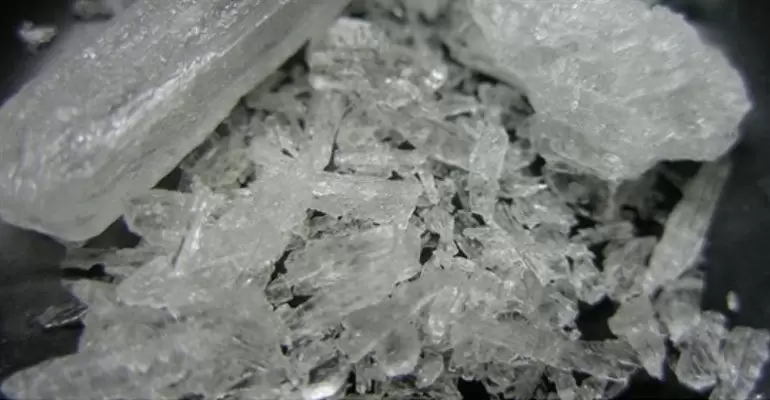
Methamphetamine addiction is a serious condition that can lead to both physical and psychological health problems. The process of quitting this substance is a step requiring expertise and careful management. There are important steps to successfully complete the methamphetamine quitting process.
The first step is to seek help from a professional addiction specialist and develop an appropriate treatment plan. The detoxification (detox) process involves cleansing methamphetamine from the body, and this process should be conducted under medical supervision.
Cognitive behavioral therapy (CBT) is an effective method for treating methamphetamine addiction. This therapy helps in understanding the causes of addiction, changing addictive behaviors, and developing positive habits.
Additionally, participating in support groups during the process of quitting addiction is also important. These groups can help you share your experiences with other addicts and find encouragement.
Finally, adopting a healthy lifestyle supports the methamphetamine quitting process. Healthy nutrition, regular exercise, and stress avoidance play an important role in the recovery process.
The methamphetamine quitting process may be difficult, but with proper support, willingness, and professional guidance, it is an obstacle that can be overcome. Remember that taking steps to overcome addiction means investing in your health and future, and this decision can change your life positively.
How Does Crystal (Methamphetamine) Work?
Methamphetamine, known worldwide as one of the most harmful drugs, or crystal as commonly called, leaves irreversible effects on a person from the moment it enters the body.
From the moment the substance enters the body, the user experiences excessive alertness and motivation. In fact, it causes a state of euphoria—a feeling of excessive contentment in which the person feels extremely good—in the user.
As the substance spreads through the body, a sudden increase occurs in the person's blood pressure and body temperature, with dilation of the pupils visible. In some cases, symptoms such as nausea, vomiting, and diarrhea may occur.
With prolonged use of this substance, it leads to a condition in the medical field known as anhedonia, in which depression, addiction, psychological deterioration, and personality disorders develop simultaneously. The treatment of anhedonia is indeed a difficult treatment requiring considerable time. This treatment requires reactivating the happiness hormones in the body.
If substance use continues, the person begins to experience hallucinations. These hallucinations can occur in different forms, both visual and auditory. In advanced stages, this addiction results in death.
The Final State of Methamphetamine Users

Methamphetamine is a stimulant substance for the central nervous system. It initially provides users with a sense of energy, alertness, and pleasure. However, this substance can also cause serious and sometimes permanent damage to the brain.
In individuals using methamphetamine, the levels of a brain chemical called dopamine increase. Dopamine is a neurotransmitter associated with reward and motivation. However, continuous and excessive methamphetamine use reduces brain cells' ability to produce dopamine, which leads to depression, anxiety, and other mood disorders.
Additionally, methamphetamine use causes changes in brain structure and function. Specifically, while it causes death of brain cells and reduction in brain volume, these changes lead to memory loss, learning difficulties, and concentration problems.
The changes that occur in individuals addicted to this substance can be explained as initial and final states as follows:
- Individuals who did not experience psychological difficulties before using methamphetamine develop psychological problems such as anxiety disorder, restlessness, and depression after using it.
- Individuals with healthy eyes before drug use develop redness in their eyes, continuous tearing, and a sensation of irritation after drug use.
- Individuals who did not experience emotional difficulties and difficulty feeling emotions before develop numbness and indifference after drug use. This leads to a decrease in emotional states.
- Individuals who did not have sleep problems develop sleep disorders and insomnia complaints after drug use. This is because the substance provides high energy and affects the sleep state.
- A healthy individual who is social in their normal life is observed to become antisocial after drug use. Decreased motivation and performance difficulties develop.
- A healthy individual experiences increased weakness and fatigue after drug use.
- Normal sexual desire is severely diminished after substance use.
- Finally, the person exhibits paranoia and accepts non-existent things as if they existed.
How Long Does Methamphetamine Treatment Take?
Methamphetamine is an extremely addictive drug. It has both physical and psychological effects on its users. Therefore, methamphetamine treatment generally presents itself as a complex and difficult process. The duration of treatment depends on many factors such as the length and quantity of the person's methamphetamine use, general health status, and commitment to treatment. For this reason, before starting treatment, the person must be determined to quit this substance. Because treatment of substance addiction in a person who does not want to quit will result negatively.
When a person begins methamphetamine treatment, the first step is usually the detoxification process. This step can last anywhere from a few days to several weeks. During this period, the person typically experiences severe withdrawal symptoms. Psychologically, they continuously crave the substance they have been using and attempt to obtain it.
Following the detoxification process, the actual treatment phase begins. This generally presents itself as a process conducted with one-on-one counseling, group therapy, and behavioral therapy techniques. Treatment duration varies from person to person, but it generally can last from several months to a year. The basic factors in this variation are:
- Duration of substance use,
- Amount of substance use,
- Desire to quit the substance,
- General health status.
In other words, treatment duration can be further extended depending on the severity of the person's drug use, their commitment to treatment, and their progress in the treatment process. In some cases, even after the person completes the treatment process, continuous support and care are needed. This is important to reduce the risk of relapse and help the person cope with substance use.
In summary, methamphetamine treatment is generally a long and difficult process. This process varies from person to person. Family support is one of the most important factors in the process. With proper support and treatment applied to the person, it is possible for them to overcome drug addiction and lead a healthy life.
What is Done in the Treatment of Crystal (Methamphetamine) Addiction?
Methamphetamine is a highly dangerous and highly addictive drug. In the steps taken to end addiction, family and close environment support is extremely important.
It must be remembered when beginning treatment that this process will be long and tiring. For an effective treatment process, treatment should last at least 6 months to 1 year. When progress is made in the process of quitting the drug, the person appears extremely well when they are not using the substance. However, if they start using again, the entire process returns to the beginning and becomes an impossible situation.
Psychological assistance is also very important during this process. There is benefit in receiving various types of therapy such as cognitive behavioral therapy, family therapy, and group therapy. If we were to list the recovery process:
- Detoxification Treatment,
- Medication Treatment,
- Psychological treatment such as these forms of assistance are provided with the aim of eliminating drug addiction.
How Long Do Crystal (Methamphetamine) Users Live?
According to research, methamphetamine use is rapidly increasing in Turkey and worldwide. This increase has reached frightening numbers today.
This synthetic substance, which directly affects a person's central nervous system, causes damage to the body, shortening the lifespan of those who use the substance.
Use of this substance causes serious damage to a person's body and results in death within an average of 5 years.
How Should You Treat Methamphetamine Users?

Individuals under the influence of methamphetamine can be extremely dangerous. First, caution must be exercised.
- Communication is very important in this situation. You must make them feel that you understand them.
- Do not be accusatory. Being blamed can cause the person to turn to that substance again.
- Forgive but gently make clear to them that you do not condone this situation.
- Avoid a lecturing tone of speech.
- If treatment is to begin, work in cooperation with the person. Do not leave them alone during this process.
- Be patient during the treatment process.
Medical Information.This content has been prepared by the Vimfay content team with contributions from physicians who are experts in their field. All content on the site is for general informational purposes only and does not constitute medical advice. Vimfay is an intermediary organization; it does not provide diagnosis or treatment services. Please consult a physician for evaluation, diagnosis, and treatment regarding your complaint.
Let's plan the process together
Share your complaint in your own language; our team will get back to you.
Free Pre-AssessmentReviews
Be the first to write a review.