Diabetic Foot Ulcer: Causes, Stages, and Treatment
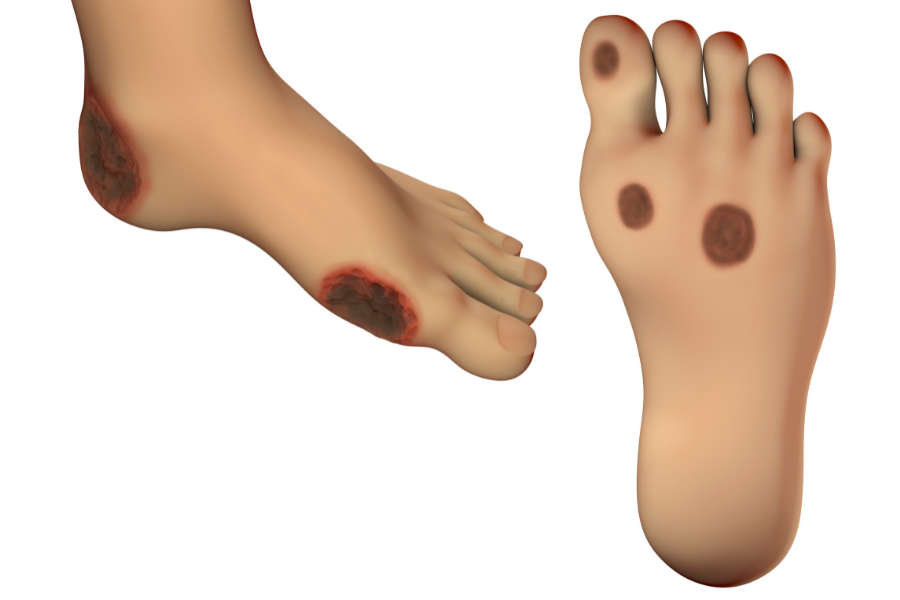
Diabetic Foot Ulcer
Diabetic foot ulcer is a chronic wound that develops on the feet as a result of diabetes mellitus. Diabetes is a disease that causes prolonged elevation of blood glucose levels. This condition can lead to damage to the nerves and blood vessels in the foot. Nerve damage results in wounds on the foot going unnoticed, while blood vessel damage makes wound healing difficult.
Diabetic foot ulcers occur in approximately 15-20% of diabetic patients. Diabetic foot ulcers are among the most serious complications that increase the risk of death and disability in diabetic patients.
Diabetic foot ulcers may present with the following symptoms:
- Pain, numbness, or tingling in the feet
- Redness, swelling, or tenderness in the feet
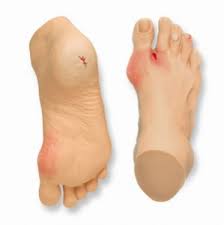
- Wounds, cuts, or calluses on the feet
- Color changes in the feet
- Loss of warmth in the feet
If left untreated, diabetic foot ulcers can lead to serious consequences. Foot infection, tissue loss, gangrene, and even amputation may result.
Diabetic foot ulcer is a serious risk for diabetic patients. When diabetic patients notice symptoms of diabetic foot, they should immediately consult a doctor.

Causes of Diabetic Foot
Diabetic foot originates from two main causes:
- Diabetic neuropathy: Diabetes damages the nerves in the feet, causing loss of sensation. This leads to foot injuries going unnoticed and making wound healing more difficult.
- Diabetic vasculopathy: Diabetes damages the blood vessels in the feet, causing circulation problems. This makes wound healing more difficult.
Diabetic foot ulcers may present with the following symptoms:
- Pain, numbness, or tingling in the feet
- Redness, swelling, or tenderness in the feet
- Wounds, cuts, or calluses on the feet
- Color changes in the feet
- Loss of warmth in the feet
Factors that increase the development of diabetic foot ulcers include:
- Blood glucose control: The risk of diabetic foot ulcers is higher in diabetic patients whose blood glucose levels are not well controlled.
- Foot deformities: Foot deformities can increase pressure on the foot and increase ulcer formation.
- Foot injuries: Foot injuries can be the initial stage of diabetic foot ulcers.
- Foot hygiene: Poor foot hygiene increases the risk of infection on the foot and leads to diabetic foot ulcer formation.
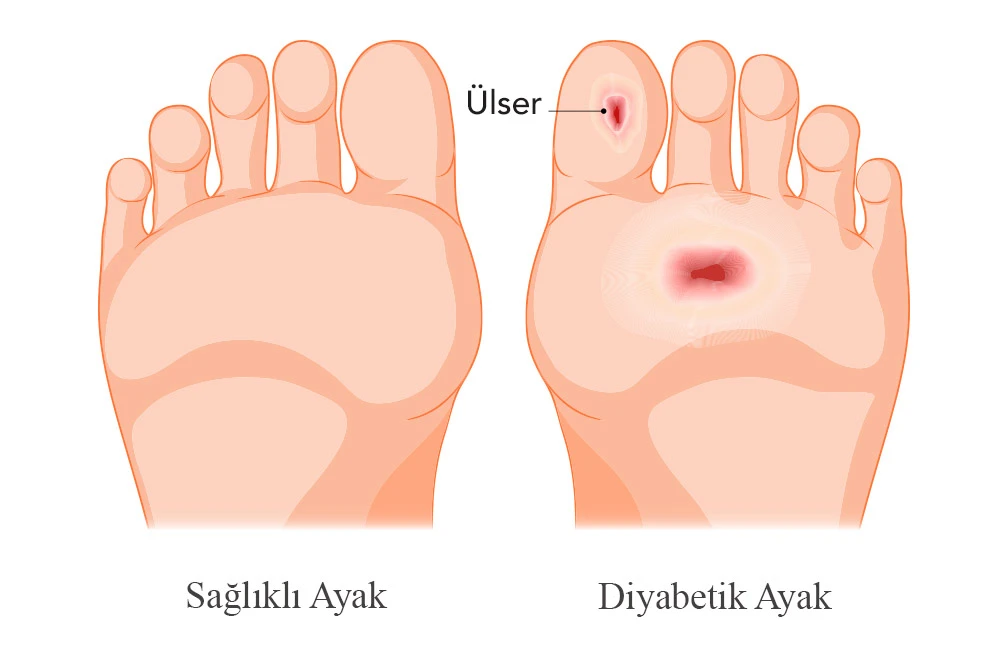
Prevention of Diabetic Foot Ulcers
- Blood glucose control: Keeping blood glucose levels well controlled is the most important way to prevent diabetic foot ulcer formation.
- Foot care: Regularly inspect your feet and if you notice any wounds or changes, immediately consult a doctor.
- Keep your feet warm: Keeping your feet warm helps increase blood flow.
- Keep your feet dry: Keeping your feet dry helps prevent skin dryness and cracking.
- Protect your feet with appropriate footwear: Protect your feet with appropriate shoes to help reduce pressure on the feet.
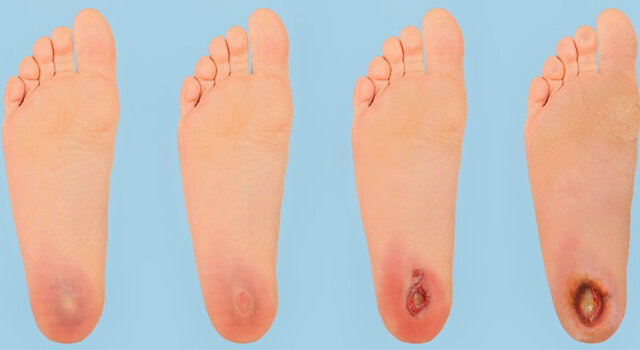
What is Diabetic Neuropathy?
Diabetic neuropathy is a complication of diabetes. Diabetes causes prolonged elevation of blood glucose levels. This condition can lead to nerve damage.
Diabetic neuropathy can affect nerves anywhere in the body. However, it most commonly occurs in the feet, legs, hands, and arms.
Symptoms of diabetic neuropathy include:
- Pain, numbness, or tingling
- Loss of strength in the feet
- Problems with bowel and bladder control
- Sexual dysfunction
Diagnosis of diabetic neuropathy is made through the doctor's physical examination and blood tests.
Treatment of diabetic neuropathy depends on the degree of nerve damage. In mild cases, lifestyle modifications and medications may be sufficient. In more severe cases, surgery may be required.

What is Diabetic Vasculopathy?
Diabetic vasculopathy is a complication of diabetes. Diabetes causes prolonged elevation of blood glucose levels. This condition can lead to damage to the blood vessels in the feet and cause circulation problems.
Diabetic vasculopathy reduces blood flow to the feet. This makes wound healing more difficult and increases the risk of diabetic foot ulcer formation.
Symptoms of diabetic vasculopathy include:
- Pain, numbness, or tingling in the feet
- Color changes in the feet
- Loss of warmth in the feet
- Wounds or infections in the feet
Diagnosis of diabetic vasculopathy is made through the doctor's physical examination and blood tests.
Treatment of diabetic vasculopathy depends on the degree of blood vessel damage. In mild cases, lifestyle modifications and medications may be sufficient. In more severe cases, surgery may be required.
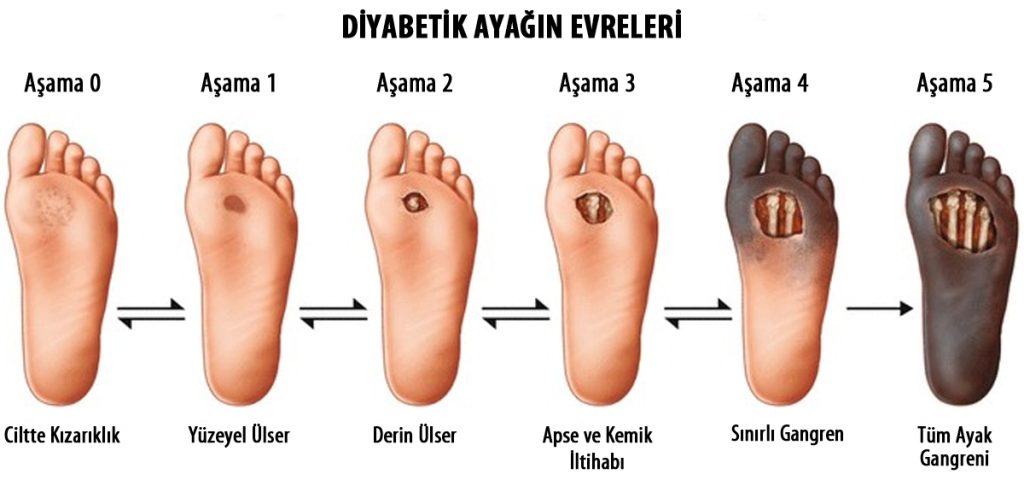
What Are the Stages of Diabetic Foot?
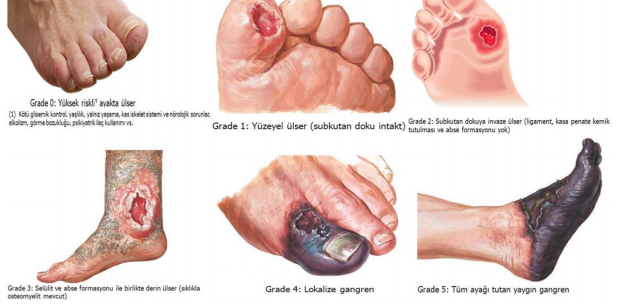
Stage 0: At-risk foot
Stage 0 is when diabetic foot ulcers have not yet formed but risk factors for ulcer development are present. These risk factors include:
- Long duration of diabetes
- Uncontrolled diabetes
- Foot deformities
- Foot injuries
- Poor foot hygiene
Stage 1: Superficial ulcer
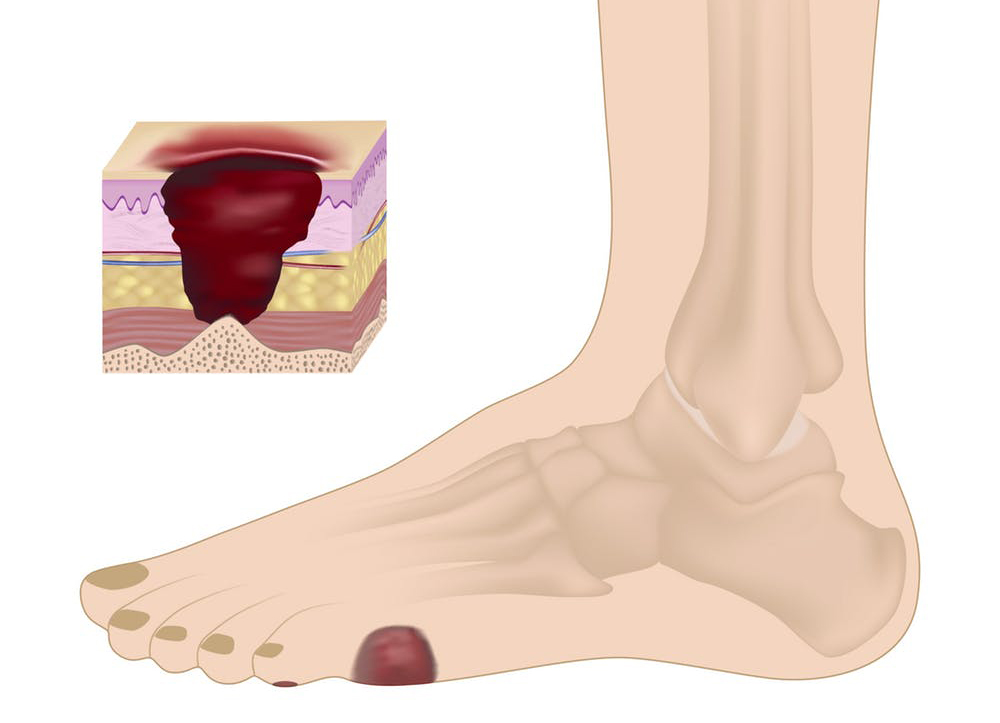
Stage 1 is when the wound extends only to the skin layer. These ulcers are usually painless and heal easily.
Stage 2: Deep ulcer
Stage 2 is when the wound extends to the skin and subcutaneous tissues. These ulcers are usually painful and more difficult to heal.
Stage 3: Ulcer with bone involvement
Stage 3 is when the wound extends to the bone. These ulcers are usually very painful and very difficult to heal.
Stage 4: Forefoot or toe gangrene
Stage 4 is when the toes or forefoot die. This condition can lead to amputation.
Stage 5: Foot gangrene
Stage 5 is when the entire foot dies. This condition can lead to amputation.
Treatment of diabetic foot ulcers varies according to the stage of the ulcer. Stage 0 and 1 ulcers can usually heal with appropriate wound care. Stage 2 and 3 ulcers may require antibiotic treatment, surgery, or other treatments. Stage 4 and 5 ulcers may require amputation.
What Are the Symptoms of Diabetic Foot?
Symptoms of diabetic foot ulcers vary depending on the stage and severity of the ulcer. Early symptoms of diabetic foot ulcers include:
- Pain, numbness, or tingling in the feet
- Color changes in the feet
- Loss of warmth in the feet
- Wounds or infections in the feet
More advanced symptoms of diabetic foot ulcers include:
- Swelling in the feet
- Redness in the feet
- Pus or blood discharge from the feet
- Foul odor from the feet
If left untreated, diabetic foot ulcers can lead to serious consequences. Foot infection, tissue loss, gangrene, and even amputation may result.
Who Develops Diabetic Foot Disease?
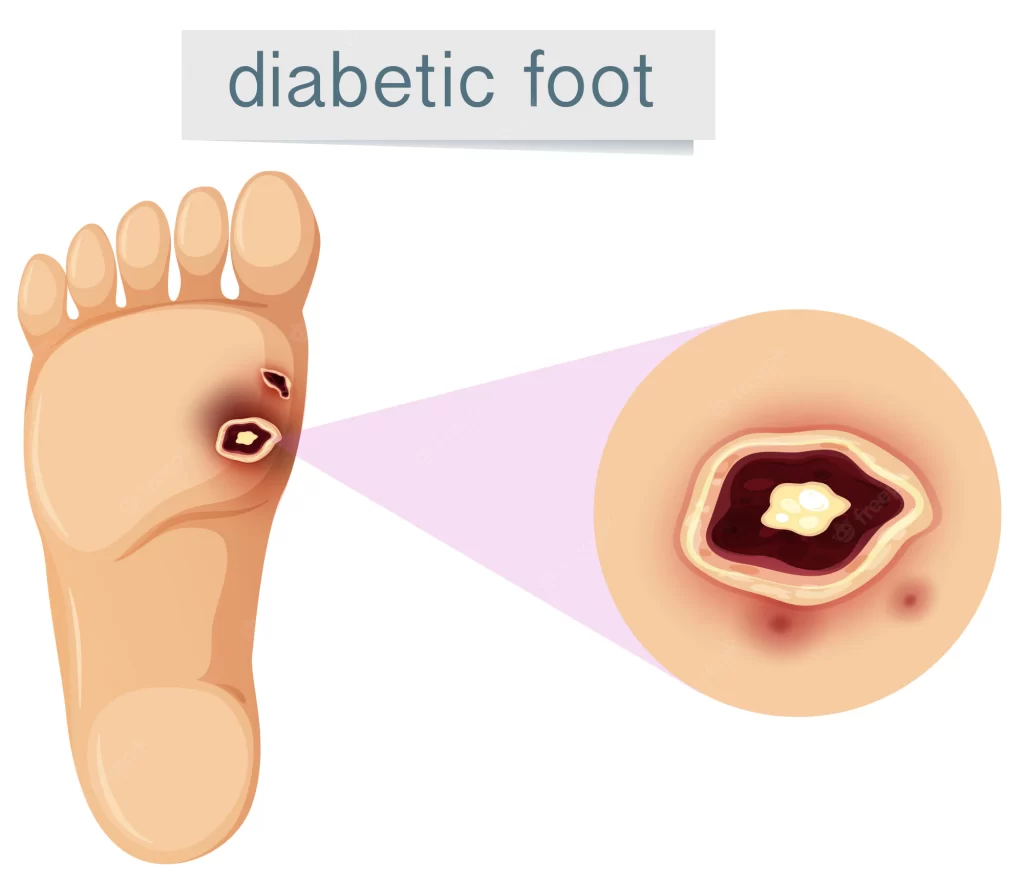
Diabetes is a disease that causes prolonged elevation of blood glucose levels. This condition can lead to damage to the nerves and blood vessels in the foot. Nerve damage results in wounds on the foot going unnoticed, while blood vessel damage makes wound healing more difficult.
Diabetic foot disease occurs in approximately 15-20% of diabetic patients. Diabetic foot ulcer is a serious risk for diabetic patients. Diabetic foot disease can lead to foot infection, tissue loss, gangrene, and even amputation.
Diabetic foot disease is more common in people with the following factors:
- Those who have had diabetes for a long time
- Those with poor blood glucose control
- Those with foot deformities
- Those who have experienced foot injuries
- Those with poor foot hygiene
- Those who have had diabetes for a long time
The longer someone has had diabetes, the higher the risk of nerve and blood vessel damage in the feet.
- Those with poor blood glucose control: The risk of nerve and blood vessel damage in the feet is higher in diabetic patients whose blood glucose levels are not well controlled.
- Those with foot deformities: Foot deformities can increase pressure on the foot and increase ulcer formation.
- Those who have experienced foot injuries: Foot injuries can lead to wound formation in the feet.
- Those with poor foot hygiene: Poor foot hygiene can increase the risk of wounds and infections in the feet.
Diabetic foot ulcer disease occurs equally in men and women. However, diabetic foot ulcers are more common in people over 60 years of age.
What Are Peripheral Vascular Diseases?
Peripheral vascular diseases (PVD) are narrowing or blockage of blood vessels from the heart to the feet. This condition can reduce blood flow and prevent tissues from receiving adequate oxygen and nutrients.
PVD can be seen in the legs, arms, and brain. PVD in the legs can develop due to risk factors such as diabetes, smoking, high cholesterol, and high blood pressure.
Symptoms of PVD
Symptoms of PVD vary depending on the location and severity of the affected blood vessels.
Symptoms of PVD in the legs include:
- Pain, cramps, or numbness in the feet
- Color changes in the feet
- Loss of warmth in the feet
- Fatigue with walking or climbing stairs
Symptoms of PVD in the arms include:
- Pain, cramps, or numbness in the arms
- Color changes in the arms
- Loss of warmth in the arms
- Fatigue
Symptoms of PVD in the brain include:
- Loss of balance
- Speech difficulties
- Vision disturbances
- Facial paralysis
Causes of PVD
Causes of PVD in the legs include:
- Atherosclerosis: This is a condition characterized by plaque buildup on blood vessel walls.
- Diabetes: Diabetes can damage blood vessel walls and increase the risk of PVD.
- Smoking: Smoking narrows blood vessels and increases the risk of PVD.
- High cholesterol: High cholesterol causes plaque buildup in blood vessels and increases the risk of PVD.
- High blood pressure: High blood pressure narrows blood vessels and increases the risk of PVD.
Diagnosis of PVD
To diagnose PVD, your doctor will review your medical history and perform a physical examination. Additionally, your doctor may request the following tests:
- Doppler ultrasound: This test measures blood flow in blood vessels.
- Angiography: This test uses X-rays to visualize the inside of blood vessels.
- CT angiography: This test uses computed tomography to visualize the inside of blood vessels.
Treatment of PVD
Treatment of PVD varies depending on the location and severity of the affected blood vessels.
Treatment of PVD in the legs includes:
Maintaining blood glucose control: In diabetic patients, keeping blood glucose levels well controlled can help reduce the risk of PVD. Quitting smoking: Since smoking can increase the risk of PVD, quitting smoking is important. Medication therapy: Medications can help improve blood flow by widening blood vessels. Surgery: In severe cases, vessel dilation or vessel bypass surgery may be required.
Prevention of PVD
To prevent PVD, you can take the following measures:
- Adopt a healthy lifestyle: Eating a healthy diet, exercising regularly, and losing weight can help reduce the risk of PVD.
- Maintain blood glucose control: In diabetic patients, keeping blood glucose levels well controlled can help reduce the risk of PVD.
- Do not smoke: Since smoking can increase the risk of PVD, quitting smoking is important.
- Keep blood cholesterol and blood pressure levels under control: Since high cholesterol and high blood pressure can increase the risk of PVD, it is important to keep these levels under control.
What Are the Prevalence Rates of Diabetic Foot in the Population?
Diabetes is a disease that causes prolonged elevation of blood glucose levels. Diabetes can cause nerve and blood vessel damage in the feet. These damages can lead to foot ulcer formation and difficulty in healing.
Diabetic foot ulcers occur in approximately 15-20% of diabetic patients. Diabetic foot ulcer is a serious risk for diabetic patients. Diabetic foot ulcers can lead to foot infection, tissue loss, gangrene, and even amputation.
Prevalence rates of diabetic foot vary depending on the following factors:
- Duration of diabetes: The longer someone has had diabetes, the higher the risk of nerve and blood vessel damage in the feet.
- Blood glucose control: The risk of nerve and blood vessel damage in the feet is higher in diabetic patients whose blood glucose levels are not well controlled.
- Foot deformities: Foot deformities can increase pressure on the foot and increase ulcer formation.
- Foot injuries: Foot injuries can lead to wound formation in the feet.
- Poor foot hygiene: Poor foot hygiene can increase the risk of wounds and infections in the feet.
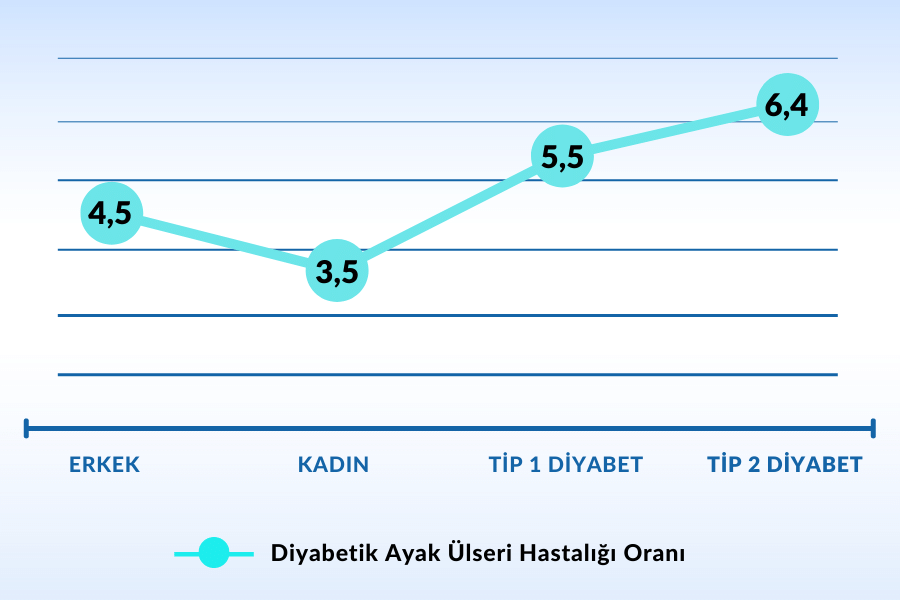
Prevalence rates of diabetic foot also vary by sex and age:
- The prevalence of diabetic foot ulcers is higher in males than in females.
- The prevalence of diabetic foot ulcers is higher in people over 60 years of age compared to younger people.
- The prevalence of diabetic foot ulcers is higher in developed countries compared to developing countries.
Diabetic foot is a serious risk for diabetic patients. To reduce the risk of diabetic foot ulcers, blood glucose control, foot care, and reduction of risk factors are important.
Risk Factors for Diabetic Foot and Chronic Foot Ulcers
Duration of diabetes: The longer someone has had diabetes, the higher the risk of nerve and blood vessel damage in the feet. Blood glucose control: The risk of nerve and blood vessel damage in the feet is higher in diabetic patients whose blood glucose levels are not well controlled. Foot deformities: Foot deformities can increase pressure on the foot and increase ulcer formation. Foot injuries: Foot injuries can lead to wound formation in the feet. Poor foot hygiene: Poor foot hygiene can increase the risk of wounds and infections in the feet. Smoking: Smoking can increase the risk of nerve and blood vessel damage in the feet. High cholesterol and high blood pressure: High cholesterol and high blood pressure can increase the risk of nerve and blood vessel damage in the feet. Obesity: Obesity can increase the risk of nerve and blood vessel damage in the feet. Age: Aging can increase the risk of nerve and blood vessel damage in the feet.
Risk factors for diabetic foot and chronic foot ulcers can be divided into the following categories:
- Diabetes-related risk factors: Duration of diabetes, blood glucose control, foot deformities, foot injuries, and poor foot hygiene.
- Other risk factors: Smoking, high cholesterol and high blood pressure, obesity, and aging.
Measures that can be taken to reduce the risk of diabetic foot and chronic foot ulcers include:
- Blood glucose control: Keeping blood glucose levels well controlled is the most important way to prevent diabetic foot ulcer formation.
- Foot care: Regularly inspect your feet and if you notice any wounds, color changes, or swelling, immediately consult a doctor.
- Keep your feet warm: Keeping your feet warm helps increase blood flow.
- Keep your feet dry: Keeping your feet dry helps prevent skin dryness and cracking.
- Protect your feet with appropriate footwear: Protect your feet with appropriate shoes to help reduce pressure on the feet.
- Do not smoke: Since smoking can increase the risk of diabetic foot, quitting smoking is important.
- Keep blood cholesterol and blood pressure levels under control: Since high cholesterol and high blood pressure can increase the risk of diabetic foot, it is important to keep these levels under control.
- Achieve a healthy weight: Since obesity can increase the risk of diabetic foot, achieving a healthy weight is important.
- Exercise regularly: Regular exercise can help increase blood flow and improve diabetes control.
Diabetic foot and chronic foot ulcers are serious risks for diabetic patients. To reduce the risk of diabetic foot, blood glucose control, foot care, and reduction of risk factors are important.
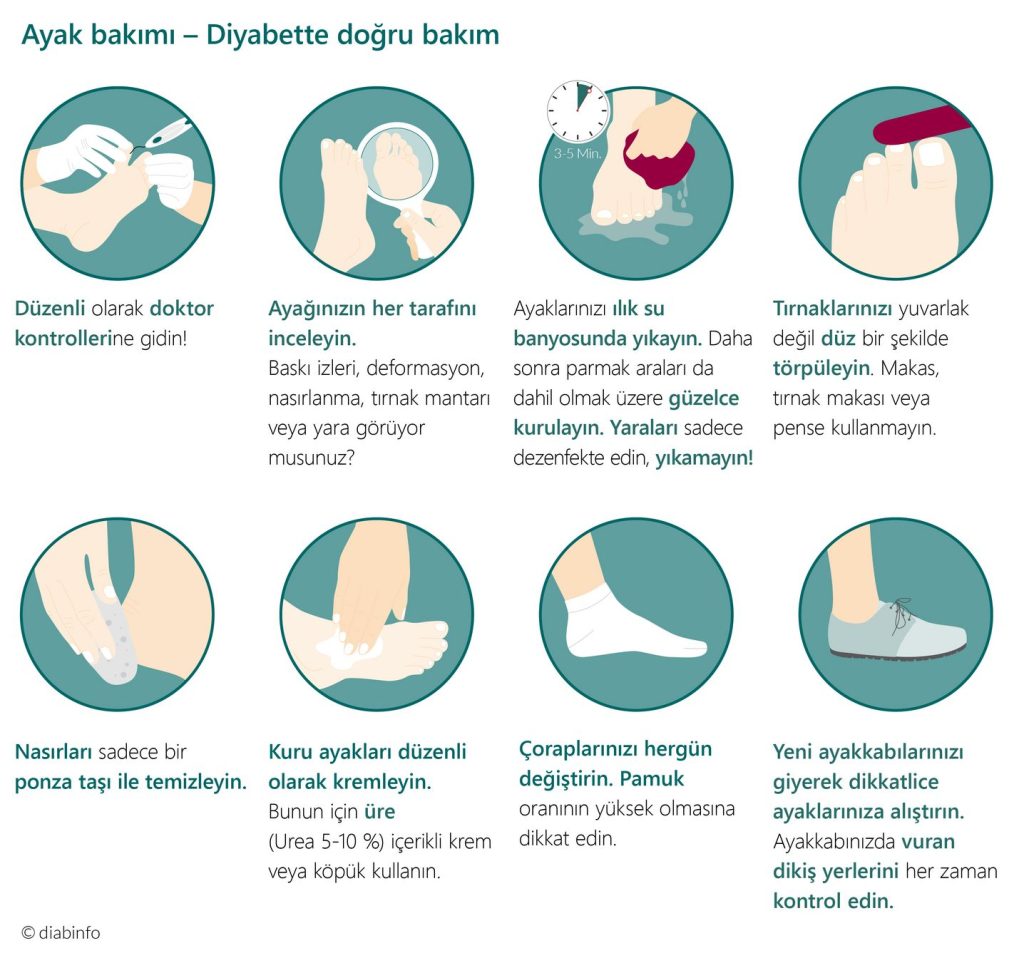
How is Diabetic Foot Care Performed?
- Inspect your feet regularly. Examine your feet every day, especially after showering. If you notice any wounds, color changes, or swelling on your feet, immediately consult a doctor.
- Keep your feet warm: Keeping your feet warm helps increase blood flow.
- Keep your feet dry: Keeping your feet dry helps prevent skin dryness and cracking.
- Protect your feet with appropriate footwear: Protect your feet with appropriate shoes to help reduce pressure on the feet.
- Soften your feet before cutting your toenails. Before cutting your toenails, soak your feet in warm water to soften them. Cut your toenails straight and do not cut the nail bed.
- Massage your feet: Massaging your feet helps increase blood flow.
- Exercise your feet: Exercising your feet helps strengthen muscles and maintain foot balance.
Tips for diabetic foot care:
- When washing your feet, wash them with warm water and mild soap.
- When washing your feet, thoroughly clean under your toenails and between the nail beds.
- After washing your feet, thoroughly dry your feet.
- Use a soft towel to dry your feet.
- Do not use a hair dryer to dry your feet.
- Keep your feet from remaining moist by not leaving them exposed.
- Wear cotton socks to allow your feet to breathe.
- Wear an additional thin sock inside your socks to keep your feet warm.
- Stay away from sharp objects to prevent foot injury.
- Wear appropriate shoes to prevent foot injury.
- Exercise your feet to prevent injury.
What Helps Diabetic Foot Pain?
There is no definitive treatment for diabetic foot pain. However, there are some methods that can help relieve pain.
- Blood glucose control: Keeping blood glucose levels well controlled helps reduce nerve and blood vessel damage in the feet. When blood glucose levels are well controlled, diabetic foot pain usually decreases.
- Foot care: It is important to regularly inspect your feet and immediately consult a doctor if you notice any wounds, color changes, or swelling. Keeping your feet warm, dry, and wearing appropriate shoes can also help relieve pain.
- Medications: Your doctor may prescribe medications to help relieve pain.
- Physical therapy: Physical therapy can help relieve pain and improve foot function.
Some things you can do at home for diabetic foot pain include:
- Soak your feet in warm water. Soaking your feet in warm water can help relax muscles and relieve pain.
- Heat your feet. Keeping your feet warm can help relieve pain.
- Massage your feet. Massaging your feet helps increase blood flow and relieve pain.
- Elevate your feet. Elevating your feet can help reduce swelling and relieve pain.
How is Diabetic Foot and Chronic Foot Ulcer Diagnosed?
- Medical history and physical examination: Your doctor will begin diagnosis by reviewing your medical history and examining your feet. If you have diabetes, your doctor may request some tests to assess the nerve and blood vessel function in your feet.
- Foot examination: Your doctor will carefully examine all of your feet. They will check for any abnormalities such as wounds, color changes, swelling, or firmness.
- Laboratory tests: Your doctor may request blood tests to check your blood glucose level, blood pressure, and cholesterol level.
- Imaging tests: Your doctor may request imaging tests to assess blood flow or nerve function in your feet.
Imaging tests used to diagnose diabetic foot and chronic foot ulcers include:
- Doppler ultrasound: This test measures blood flow in blood vessels.
- Angiography: This test uses X-rays to visualize the inside of blood vessels.
- Magnetic resonance imaging (MRI): This test uses magnetic fields and radio waves to visualize the internal structures of your body.
- Biopsy: This test is used to obtain a small sample of tissue from the wound.

The tests used by your doctor to diagnose diabetic foot and chronic foot ulcers may vary depending on the severity of your condition.
Treatment of diabetic foot and chronic foot ulcers varies depending on the size, depth, and severity of the ulcer. Treatment usually includes the following:
- Wound care: The wound must be cleaned, dressed, and infection risk must be reduced.
- Medication therapy: Antibiotics, pain relievers, and medications to support wound healing may be used.
- Surgical treatment: In some cases, surgery may be required for the wound to heal.
Treatment of Diabetic Foot and Chronic Foot Ulcers
Treatment of diabetic foot and chronic foot ulcers varies depending on the size, depth, and severity of the ulcer. Treatment usually includes the following:
- Wound care: The wound must be cleaned, dressed, and infection risk must be reduced.
- Medication therapy: Antibiotics, pain relievers, and medications to support wound healing may be used.
- Surgical treatment: In some cases, surgery may be required for the wound to heal.
Wound Care
Wound care is an important part of treating diabetic foot and chronic foot ulcers. The wound must be cleaned, dressed, and infection risk must be reduced.
Wound cleaning: Cleaning the wound is important to reduce infection risk. The wound should be washed with warm water and an antiseptic solution. Wound dressing: Wound dressing helps protect and heal the wound. The dressing keeps the wound clean and dry. Reducing infection risk: Infection can delay the healing of diabetic foot and chronic foot ulcers or even worsen the wound. To reduce infection risk, the wound should be regularly inspected and a doctor should be consulted immediately if there are any signs of infection.

Medication Therapy
In diabetic foot and chronic foot ulcers, medications can be used to prevent infection and support wound healing.
- Antibiotics: Antibiotics are used to treat wound infections.
- Pain relievers: Pain relievers are used to relieve pain caused by the wound.
- Medications to support wound healing: Medications to support wound healing can help the wound heal faster.
Surgical Treatment
In some cases, surgery may be required for diabetic foot and chronic foot ulcers to heal.
- Vascular surgery: Vascular surgery can be used to improve blood flow to the feet.
- Wound closure surgery: Wound closure surgery can be used to support wound healing.
- Foot amputation: If there is too much tissue loss in the foot, amputation may be required.
In the treatment of diabetic foot and chronic foot ulcers, your doctor will create the most appropriate treatment plan for you. The treatment plan may vary depending on the size, depth, and severity of the ulcer.
What Should Be Considered to Protect Against Foot Ulcers?
Measures that can be taken to protect against foot ulcers include:
- Blood glucose control: Keeping blood glucose levels well controlled helps reduce nerve and blood vessel damage in the feet. When blood glucose levels are well controlled, the risk of foot ulcers decreases.
- Foot care: It is important to regularly inspect your feet and immediately consult a doctor if you notice any wounds, color changes, or swelling. Keeping your feet warm, dry, and wearing appropriate shoes can also help protect against foot ulcers.
- Do not smoke: Smoking can increase the risk of diabetic foot. Quitting smoking can help reduce the risk of foot ulcers.
- Exercise regularly: Regular exercise helps increase blood flow and improve diabetes control. When blood flow increases, foot ulcer healing also accelerates.
Things to pay attention to for foot care:
- Inspect your feet every day, especially after showering. If you notice any wounds, color changes, or swelling on your feet, immediately consult a doctor.
- Wash your feet with warm water and mild soap. When washing your feet, thoroughly clean under your toenails and between the nail beds.
- Dry your feet. Use a soft towel to dry your feet.
- Keep your feet warm. Keeping your feet warm helps increase blood flow.
- Keep your feet dry. Keeping your feet dry helps prevent skin dryness and cracking.
- Protect your feet with appropriate footwear. Protect your feet with appropriate shoes to help reduce pressure on the feet.
- Massage your feet. Massaging your feet helps increase blood flow.
Other measures that can be taken to protect against foot ulcers:
- When cutting your toenails, cut them straight and do not cut the nail bed.
- Regularly trim hair around your feet.
- Use moisturizer to prevent dryness of skin around your feet.
- Use petroleum jelly to prevent cracking of skin around your feet.
- Use adhesive bandages to prevent infection of skin around your feet.
Diabetic patients should take the above measures to protect against foot ulcers. Foot ulcers are a serious risk for diabetic patients. The measures that can be taken to protect against foot ulcers can help reduce foot ulcer risk and maintain foot health.
Which Doctor Treats Diabetic Foot?
Treatment of diabetic foot ulcers is a complex process that requires expertise. The following doctors usually work together to treat diabetic foot ulcers:
- Internal medicine specialist: The doctor responsible for general treatment of diabetes.
- Cardiologist: The doctor responsible for treatment of heart and blood vessel diseases.
- Neurologist: The doctor responsible for treatment of nerve diseases.
- Surgeon: The doctor responsible for surgical treatment of foot ulcers.
- Podiatrist: A doctor specialized in the treatment of foot ulcers.
If you have a diabetic foot ulcer, you should first see an internal medicine specialist. The internal medicine specialist will determine the cause of your foot ulcer and create the most appropriate treatment plan for you. If necessary, the internal medicine specialist may refer you to other relevant doctors.
Medical Information.This content has been prepared by the Vimfay content team with contributions from physicians who are experts in their field. All content on the site is for general informational purposes only and does not constitute medical advice. Vimfay is an intermediary organization; it does not provide diagnosis or treatment services. Please consult a physician for evaluation, diagnosis, and treatment regarding your complaint.
Let's plan the process together
Share your complaint in your own language; our team will get back to you.
Free Pre-AssessmentReviews
Be the first to write a review.