Bowel Obstruction: Causes, Diagnosis, and Treatment
For human life to continue in health and safety, the body must function with natural efficiency. Any malfunction in the body's systems can complicate daily life and lead to serious complications. That's why it's…
Bowel Obstruction: Causes, Diagnosis, and Treatment
For human life to continue in health and safety, the body must function with natural efficiency. Any malfunction in the body's systems can complicate daily life and lead to serious complications. That's why it's essential to know your body well and pay close attention to suspicious symptoms right away. The heart, kidneys, and lungs are vital organs, but the intestines are no less important, especially given their crucial role in the immune system. Intestinal disorders can be life-threatening, and bowel obstruction (intestinal obstruction) is considered one of the most dangerous among them. Let's learn together about this condition, its causes, and its treatment methods.
What is Bowel Obstruction?
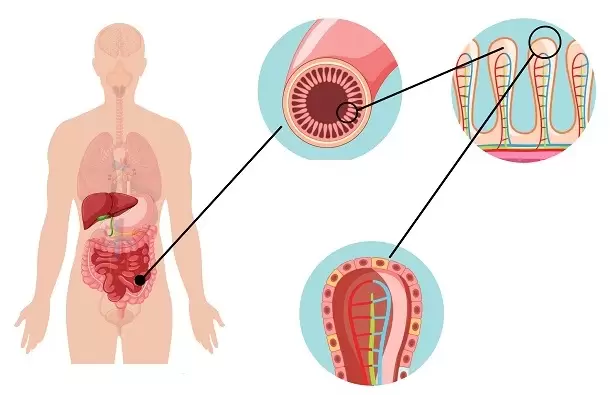
Bowel obstruction, also known as "intestinal volvulus" or volvulus in medical terminology, refers to an abnormal twisting of the intestines around themselves, causing them to lose their natural function. In other words, the intestines twist like a tight knot, blocking the passage of food and waste.
This condition affects both infants and adults alike. Symptoms may appear suddenly and severely, or develop gradually but with intense pain. It's absolutely essential to seek hospital care quickly once symptoms appear—neglecting treatment can lead to life-threatening complications.
What Causes Bowel Obstruction?
Many people wonder what factors lead to bowel obstruction. The causes vary depending on where the blockage occurs in the digestive system. Here are the main causes:
Causes of Small Intestine Obstruction:
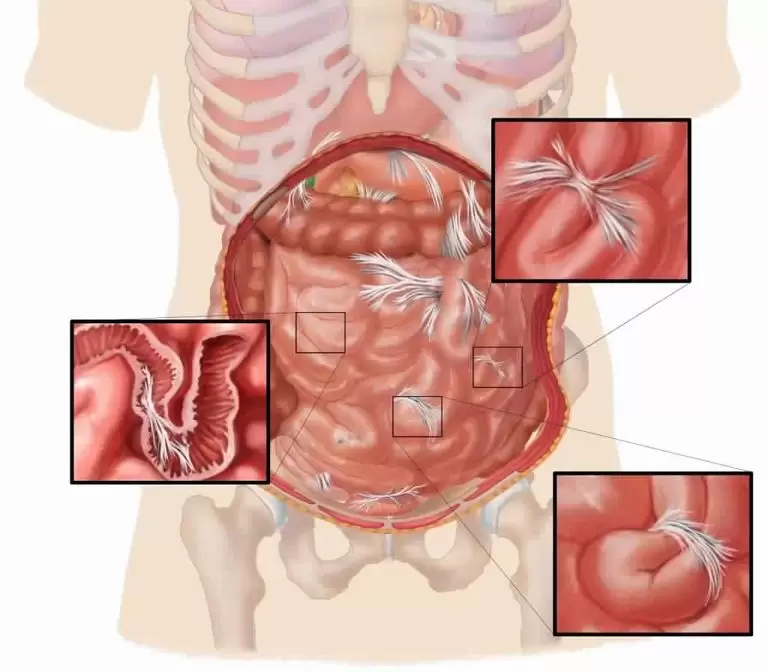
- Adhesions resulting from previous abdominal surgery
- Intestinal volvulus and knotting
- Various types of hernias
- Malignant tumors
- Infectious and inflammatory diseases
Causes of Large Intestine Obstruction:
- Cancer
- Volvulus and knotting
- Hernias
- Intestinal adhesions
- Structural obstacles
What Are the Symptoms of Bowel Obstruction?
Symptoms of intestinal obstruction usually appear suddenly and severely. In some cases, they may develop gradually, but they are typically abrupt and painful. Here are the common symptoms in adults:
- Sudden, sharp abdominal pain that persists intensely
- Physical shock
- Noticeable abdominal bloating
- Inability to pass gas
- Severe constipation
- Repeated nausea and vomiting
- Blood in stool
- Loss of body fluids
- Elevated body temperature
Symptoms of Bowel Obstruction in Children and Infants:
- Severe, continuous crying
- Noticeable restlessness and agitation
- Difficulty breastfeeding
- Repeated diarrhea
- Irregular heartbeat
- Unusual drowsiness
- Rapid, irregular breathing
How is Bowel Obstruction Diagnosed?
Once symptoms appear, medical examination begins immediately. The doctor will first review your medical and family history before starting tests. Diagnostic steps include:
- Comprehensive blood tests
- Stool examination
- Computed Tomography (CT scan)
- Flexible sigmoidoscopy

How is Bowel Obstruction Treated?
After diagnosis, the location and cause of the obstruction must be determined. Treatment depends on the severity of the condition:
Medical Treatment: In mild cases, medication may be sufficient. Specialized, experienced doctors manage this phase to restore your health.
Surgical Treatment: In complicated or severe cases, surgical intervention is necessary. Left untreated, this condition can be life-threatening, so it must be taken very seriously.
Treatment of Bowel Obstruction in Children
Bowel obstruction in children is a very serious condition that can lead to serious health complications. Surgical intervention is usually the first option, though non-surgical treatments exist for certain cases.
Causes of Bowel Obstruction in Children:
- Intussusception (telescoping of one part of the intestine into another)
- Polyps and benign tumors
- Appendicitis
- Intestinal and inflammatory infections
- Peritonitis
- Congenital intestinal diseases such as Hirschsprung's disease
Symptoms of Bowel Obstruction in Children:
- Severe abdominal pain
- Noticeable bloating
- Vomiting of food and liquids
- Inability to have bowel movements or pass gas
- High fever
Diagnostic Methods:
- Abdominal X-rays
- Magnetic Resonance Imaging (MRI)
- Barium imaging of the intestines
Treatment Options:
- Surgery: Removal of the obstruction and repair of intestinal damage
- Endoscopy: Used in mild cases to reposition the intestines
- Air or barium enema: May help in certain cases
- Laparoscopy: A minimally invasive approach
Potential Complications:
- Infection and peritonitis
- Malnutrition
- Life-threatening complications
Prevention Tips:
- Ensure a healthy, balanced diet for the child
- Avoid solid foods before age 4
Success Rate of Bowel Obstruction Surgery
The success rate of surgery depends on several factors:
- Cause of obstruction: Treatable cases such as intussusception have higher success rates
- Severity of obstruction: Severe cases may require more complex operations
- Child's age: Older children tend to have higher success rates
- Overall health status: Other underlying conditions may affect outcomes
Overall, the success rate of bowel obstruction surgery in children reaches approximately 95%.
Factors Affecting Success:
- Expertise of the specialized surgeon
- Quality of medical facilities
- Speed of diagnosis and treatment
Potential Complications:
- Infection and peritonitis
- Bleeding during or after surgery
- Possibility of recurrent obstruction
Tips to Improve Chances of Success:
- Seek medical care immediately when symptoms appear
- Choose a surgeon with proven experience
- Follow your doctor's post-operative instructions carefully
Bowel Obstruction in Infants
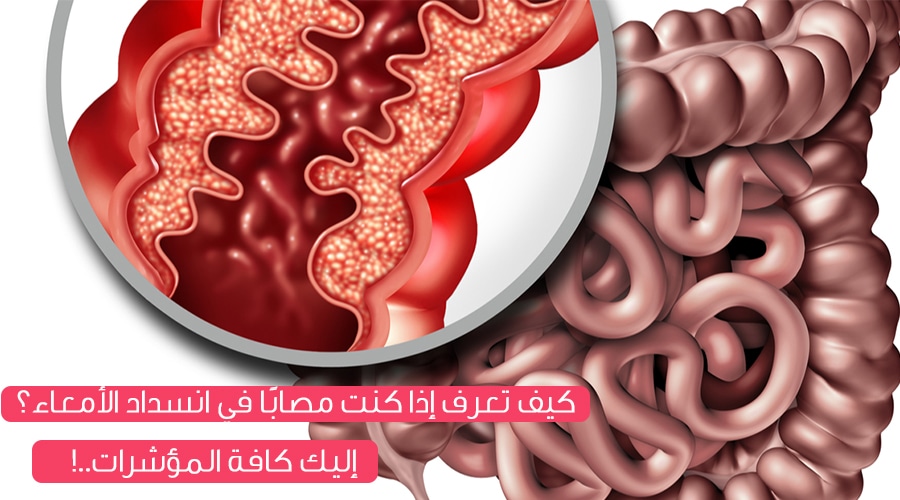
Bowel obstruction in infants is a serious condition requiring immediate intervention. It occurs when the passage of food or stool is blocked and may be partial or complete.
Common Causes in Infants:
- Intussusception (the most common cause)
- Polyps and benign tumors
- Intestinal infections
- Peritonitis and appendicitis
- Congenital diseases
Symptoms in Infants:
- Sudden, sharp abdominal pain
- Noticeable bloating
- Repeated vomiting
- Inability to have bowel movements
- Fever
Diagnosis:
- X-rays
- Magnetic Resonance Imaging (MRI)
- Barium imaging
Treatment:
- Surgery in most cases
- Air or barium enema in certain cases
- Endoscopy for some mild cases
Potential Complications:
- Severe infection
- Malnutrition
- Life-threatening complications
Prevention:
- Healthy, balanced nutrition
- Avoiding solid foods before the appropriate age

Bowel Obstruction in Newborns
Bowel obstruction in newborns is a medical emergency. Although the incidence is low at birth, it increases between 6-12 months with the introduction of complementary foods.
Main Causes:
- Intussusception (most common)
- Intestinal polyps
- Peritonitis and appendicitis
- Intestinal infections
- Congenital diseases such as Hirschsprung's disease
Symptoms:
- Sudden, sharp pain
- Abdominal bloating
- Vomiting
- Inability to have bowel movements or pass gas
- Fever
Diagnosis:
- X-rays
- Magnetic Resonance Imaging (MRI)
- Barium imaging
Treatment:
- Surgery (the primary option)
- Non-surgical treatments in certain cases
- Air or barium enema
- Laparoscopy
Complications:
- Serious infections
- Malnutrition
- Life-threatening complications
Cost of Bowel Obstruction Surgery
The cost of bowel obstruction surgery varies depending on multiple factors:
Factors Affecting Cost:
- Degree of obstruction: Simple obstructions cost less than severe ones
- Type of procedure: Endoscopy tends to be more costly than traditional open surgery
- Location of procedure: Private hospitals are more expensive than public ones
- Surgeon's expertise: Experienced doctors may charge higher fees
- Anesthesia: Different types of anesthesia carry different costs
- Hospital stay: Costs vary depending on the length of hospitalization
- Medications and follow-up: Additional post-operative costs
Is Bowel Obstruction Surgery Dangerous?
In general, bowel obstruction surgery is relatively safe, though there are potential risks:
Potential Complications:
- Infection: May spread to the abdominal cavity and cause peritonitis
- Bleeding: May occur during or after surgery
- Recurrent obstruction: The blockage may return, especially when the underlying cause persists
Factors Increasing Risk:
- Patient's age (children and the elderly are at higher risk)
- Chronic health conditions (diabetes, heart disease)
- Severity of the obstruction
- Type of procedure (endoscopy carries less risk)
Tips to Reduce Risk:
- Choose a specialized, experienced doctor
- Follow medical instructions carefully after surgery
- Get adequate rest
- Take prescribed medications on schedule
If you notice symptoms of bowel obstruction, seek hospital care immediately, as neglecting it can lead to serious complications.
Medical Treatment of Bowel Obstruction
In some mild cases, obstruction can be treated with medication rather than surgery. Medications help relieve symptoms and prevent complications.
Types of Medications Used:
- Pain relievers: To ease severe pain
- Anti-nausea medications: To stop nausea and vomiting
- Anti-inflammatory drugs: To reduce swelling and inflammation
- Laxatives: To soften stool and ease its passage
Factors Affecting Medication Effectiveness:
- Severity of obstruction: More effective in mild cases
- Cause of obstruction: Works better for reversible causes
- Patient's age: Can be more effective in certain cases involving newborns
Tips During Medical Treatment:
- Follow your doctor's instructions carefully
- Don't hesitate to reach out if you have questions
- Seek help immediately if the condition worsens
If the condition doesn't improve with medication, surgery may be needed, since a neglected obstruction can cause serious complications.
Intestinal Volvulus in Children (Bowel Obstruction)
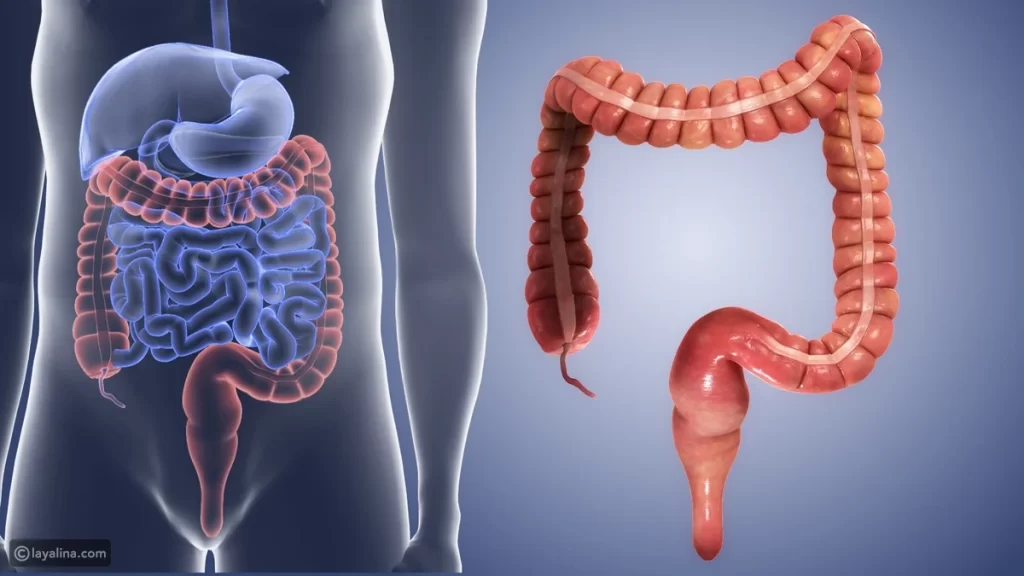
Although the incidence is low at birth, it increases between 6-12 months, especially with the introduction of complementary foods, as the intestines twist abnormally. Most abdominal surgeries performed on children under one year of age are due to intestinal volvulus.
What Causes Bowel Obstruction in Children?
Parents often ask what causes intestinal volvulus. The main causes include:
- Increased abnormal intestinal movements
- Thickening of the small intestine due to infection
- Benign polyps
- Malignant tumors
- Hernias
- Post-surgical adhesions
- Diverticulitis
- Crohn's disease
Symptoms of Intestinal Volvulus in Children
Symptoms of bowel obstruction in children include:
- Noticeable loss of appetite
- Legs pulled toward the abdomen due to pain
- Severe constipation
- Repeated vomiting
- Noticeable abdominal bloating
- Absence of bowel movements
- Gas pain and inability to pass gas
- Rectal bleeding
Nutrition After Intestinal Volvulus Surgery
After intestinal volvulus surgery, nutrition must be handled carefully and under medical supervision. Choose foods that are easy to digest, and consult a nutritionist to arrange an appropriate diet suited to your child's condition.
Is Intestinal Volvulus Fatal?
A definitive answer cannot be given, but intestinal volvulus is a very serious condition that can lead to serious complications. Therefore, once symptoms appear, consult a specialized doctor immediately without delay.
What Are the Risk Factors for Bowel Obstruction?
Main Risk Factors:
- Previous abdominal surgery
- Hernias in the abdominal or groin wall
- Crohn's disease
- Cancer and tumors
- Exposure to radiation therapy in the abdominal area
- Swallowing foreign objects
Prices for Treating Intestinal Volvulus in Turkey
Turkey is renowned for its success in treating many diseases—a reputation that has led to a significant rise in medical visits from abroad.
Reasons for Choosing Turkey for Treatment:
- Very high success rates
- Use of modern, advanced technology
- Advanced, spacious hospitals
- Highly experienced specialist doctors
- Well-trained nursing staff
- Understanding, helpful hospital staff
- The opportunity to enjoy a vacation in Turkey
- Reasonable, affordable treatment prices
Costs: An exact price cannot be determined, as costs vary depending on the diagnosis and the treatment required. Contact us for detailed pricing information. If you choose Turkey through us, we'll also facilitate your visa procedures with an official invitation letter.
Medical Information.This content has been prepared by the Vimfay content team with contributions from physicians who are experts in their field. All content on the site is for general informational purposes only and does not constitute medical advice. Vimfay is an intermediary organization; it does not provide diagnosis or treatment services. Please consult a physician for evaluation, diagnosis, and treatment regarding your complaint.
Let's plan the process together
Share your complaint in your own language; our team will get back to you.
Free Pre-AssessmentReviews
Be the first to write a review.