Eris Variant: What It Is, Symptoms, and Treatment Methods
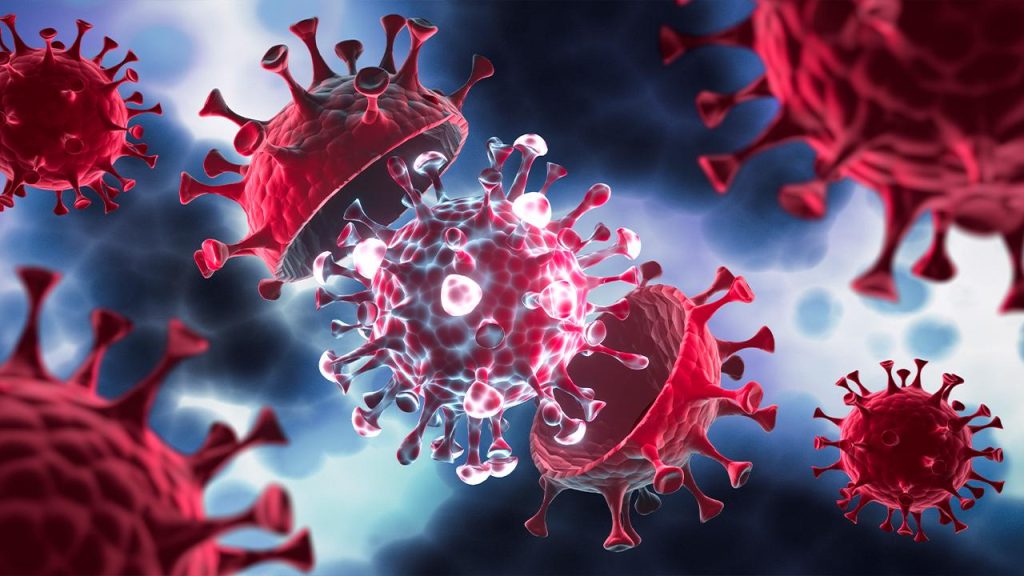
Eris Variant
Eris variant is a subvariant of COVID-19's Omicron variant. First detected in South Africa in February 2023, the Eris variant has spread to other parts of the world with rapid transmission.
Eris Variant Symptoms - What Are They?

The Eris variant presents with symptoms similar to those seen in the Omicron variant. These symptoms include:
- Fever
- Cough
- Fatigue
- Muscle pain
- Headache
- Sore throat
- Loss of taste and smell
- Nasal congestion
- Shortness of breath
In some cases, the Eris variant may have a more severe course and lead to hospitalization.
Is the Eris Variant Present in Turkey?
Health Minister Fahrettin Koca announced yesterday evening through his social media account that the new variant has been detected in 9 people in Turkey. Koca stated that this development should not be considered a cause for concern and made the following remarks:
"The Eris variant is a subvariant of COVID-19's Omicron variant. First detected in South Africa in February 2023, this variant is thought to be more contagious and may be more resistant to vaccination. In all 9 cases detected in Turkey, the disease has had a mild course. This suggests that the Eris variant may cause a milder presentation. However, research on this variant is still ongoing. For this reason, it is important that our citizens continue to protect themselves by taking necessary precautions against COVID-19."
Is the Eris Variant Contagious?

The Eris variant is thought to be as contagious as the Omicron variant. However, further research is needed.
Eris Variant Treatment
No specific treatment has yet been developed for this new variant. Treatments used for other COVID-19 variants can also be used for this variant. Please consult your physician for guidance specific to your situation.
How Can We Protect Ourselves from the Eris Variant?
To protect against this new variant, it is important to get vaccinated against COVID-19, wear a mask, and maintain social distancing.
What Are New Findings About the Eris Variant?
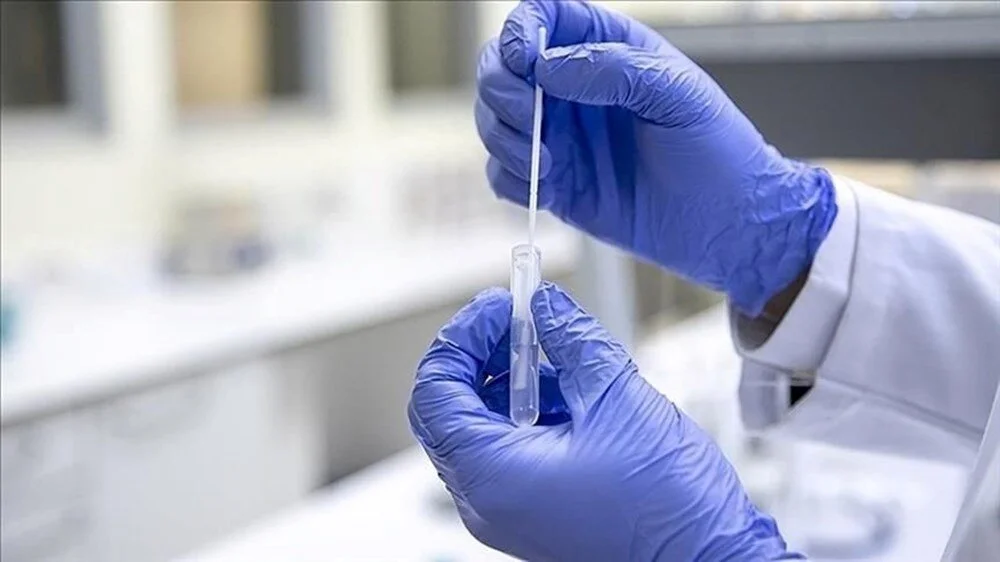
New information about the Eris variant is still being learned. However, what is currently known includes:
- The Eris variant has several important mutations from the Omicron variant. These mutations suggest that the Eris variant may become more contagious and more resistant to vaccination.
- The effect of the Eris variant on the course of COVID-19 is not yet fully known. However, some studies suggest that this new variant may have a more severe course.
- The Eris variant is considered an important variant that could affect the progression of the COVID-19 pandemic.
What Should We Do to Protect Ourselves from the Eris Variant?
To protect against this new variant, it is important to get vaccinated against COVID-19, wear a mask, and maintain social distancing.
How Does the Eris Variant Differ from Previous COVID-19 Variants?
The Eris variant has several important mutations from the Omicron variant. These mutations suggest that the new variant may become more contagious and more resistant to vaccination.
What Effect Could the Eris Variant Have on the Course of COVID-19?

The effect of the Eris variant on the course of COVID-19 is not yet fully known. However, some studies suggest that this new variant may have a more severe course.
In conclusion, the Eris variant is a COVID-19 variant that requires attention. To protect against the Eris variant, it is important to get vaccinated against COVID-19, wear a mask, and maintain social distancing.
Eris Variant and the Immune System
The Eris variant is a subvariant of COVID-19's Omicron variant. First detected in South Africa in February 2023, this variant is thought to be more contagious and may be more resistant to vaccination.
Building a strong immune system is important to protect against viral variants and viruses. The immune system is the body's mechanism for fighting microorganisms. The following recommendations can be made to strengthen the immune system:
- Exercise regularly. Exercise helps stimulate your body's immune cells. Try to exercise at least 150 minutes of moderate-intensity or 75 minutes of vigorous-intensity exercise per week.
- Eat a healthy diet. Healthy eating is one of the effective ways to strengthen your immune system. Consume a diet containing fruits, vegetables, whole grains, legumes, and healthy fats.
- Get adequate sleep. Sleep is necessary for your body to repair itself and strengthen your immune system. Adults need 7-8 hours of sleep each night.
- Reduce stress. Stress can weaken your immune system. To reduce stress, you can engage in activities such as yoga, meditation, or deep breathing exercises.
- Do not smoke and limit alcohol consumption. Smoking and alcohol consumption can weaken your immune system.
Recommendations for Protecting Against Viruses
The following precautions are important to protect against viruses, including the Eris variant:
- Get vaccinated against COVID-19. The COVID-19 vaccine reduces the risk of contracting COVID-19, including the Eris variant, as well as the risk of severe illness and hospitalization.
- Wear a mask. A mask helps prevent the spread of viruses. It is important to wear a mask in crowded environments and enclosed spaces.
- Maintain social distancing. Viruses can spread through the air when an infected person coughs or sneezes. Staying at least 1 meter away from others reduces the risk of viral transmission.
- Wash your hands frequently. Wash your hands with soap and water for at least 20 seconds. Washing your hands reduces the risk of viral transmission.
- Avoid crowded environments. The risk of viral transmission is higher in crowded environments. Avoid crowded spaces unless necessary.
How Should We Eat to Protect Ourselves from the Eris Variant?

The Eris variant is a subvariant of COVID-19's Omicron variant. First detected in South Africa in February 2023, this variant is thought to be more contagious and may be more resistant to vaccination.
Building a strong immune system is important to protect against viral variants. The immune system is the body's mechanism for fighting microorganisms. To strengthen the immune system, it is important to eat a healthy diet.
The fundamentals of healthy eating are:
- Consume plenty of fruits and vegetables. Fruits and vegetables are rich in vitamins, minerals, and antioxidants. These nutrients help strengthen your immune system.
- Consume whole grains. Whole grains are rich in complex carbohydrates, fiber, and vitamins. These nutrients help maintain your body's energy levels and strengthen your immune system.
- Consume legumes. Legumes are rich in protein, fiber, and vitamins. These nutrients help strengthen your immune system.
- Consume lean protein sources. Lean protein sources help preserve muscle tissue and strengthen your immune system.
- Consume healthy fats. Healthy fats help your cells function properly.
- Drink plenty of water. Water is necessary for your body to function properly.
Foods to focus on to strengthen your immune system include:
- Vitamin C: Vitamin C is an important nutrient that helps strengthen the immune system. Foods rich in vitamin C include oranges, grapefruits, lemons, kiwis, strawberries, broccoli, bell peppers, and cabbage.
- Vitamin D: Vitamin D is an important nutrient that helps strengthen the immune system. Foods rich in vitamin D include fish, egg yolks, mushrooms, and dairy products.
- Vitamin A: Vitamin A is an important nutrient that helps strengthen the immune system. Foods rich in vitamin A include carrots, sweet potatoes, squash, spinach, and broccoli.
- Vitamin E: Vitamin E is an important nutrient that helps strengthen the immune system. Foods rich in vitamin E include hazelnuts, almonds, sunflower seeds, olive oil, and avocado.
- Zinc: Zinc is an important mineral that helps strengthen the immune system. Foods rich in zinc include red meat, chicken, seafood, legumes, nuts, and seeds.
If your immune system becomes compromised, you can:
- Consume more fruits and vegetables.
- Consume whole grains, legumes, and lean protein sources.
- Consume healthy fats.
- Drink plenty of water.
- Get adequate sleep.
- Reduce stress.
- Do not smoke and limit alcohol consumption.
Foods Effective Against Viruses
Some nutrients shown to be effective against viruses include:
- Vitamin C: Vitamin C is an important antioxidant that helps strengthen the immune system. Foods rich in vitamin C include oranges, grapefruits, lemons, kiwis, strawberries, broccoli, bell peppers, and cabbage.
- Vitamin D: Vitamin D is an important nutrient that helps strengthen the immune system. Vitamin D deficiency may increase the risk of contracting COVID-19. Foods rich in vitamin D include fish, egg yolks, mushrooms, and dairy products.
- Vitamin A: Vitamin A is an important nutrient that helps strengthen the immune system. Vitamin A deficiency may increase the risk of contracting COVID-19. Foods rich in vitamin A include carrots, sweet potatoes, squash, spinach, and broccoli.
- Vitamin E: Vitamin E is an important antioxidant that helps strengthen the immune system. Foods rich in vitamin E include hazelnuts, almonds, sunflower seeds, olive oil, and avocado.
- Zinc: Zinc is an important mineral that helps strengthen the immune system. Zinc deficiency may increase the risk of contracting COVID-19. Foods rich in zinc include red meat, chicken, seafood, legumes, nuts, and seeds.
Which Vitamins Should Be Consumed During Viral Illness?
During periods of viral illness, it is important to consume the nutrients mentioned above in abundance to strengthen your immune system. Additionally, you should also ensure consumption of other vitamins and minerals such as iron, magnesium, and zinc. For personal recommendations, please consult your physician or a dietitian.
Tıbbi Bilgilendirme.Bu içerik, Vimfay içerik ekibi tarafından alanında uzman hekimlerin katkısıyla hazırlanmıştır. Sitede yer alan tüm içerikler yalnızca genel bilgilendirme amacı taşımakta olup tıbbi tavsiye niteliği taşımaz. Vimfay bir aracı kuruluştur; teşhis veya tedavi hizmeti vermez. Şikâyetinizle ilgili değerlendirme, tanı ve tedavi için mutlaka bir hekime başvurunuz.
Süreci birlikte planlayalım
Şikâyetinizi kendi dilinizde iletin; ekibimiz size dönsün.
Ücretsiz Ön DeğerlendirmeYorumlar
İlk yorumu siz yazın.