Kidney Transplantation: A Comprehensive Guide
Humans require a healthy body and healthy organs to continue living. The malfunction of even a single cell in the body can lead to diseases. Many of our organs are vital to us. One of these organs is the kidneys, which…
Kidney Transplantation: A Comprehensive Guide
Humans require a healthy body and healthy organs to continue living. The malfunction of even a single cell in the body can lead to diseases. Many of our organs are vital to us. One of these organs is the kidneys, which every healthy individual has two of.
Kidneys form a major part of the excretory system. Acting as filters in a person's body, kidneys filter harmful substances found in the blood and eliminate them through urine.
In some cases, a person's kidneys may fail or partially or completely lose their function. In this situation, kidney function is maintained through a device called dialysis instead of the kidneys. Patients who must undergo dialysis at regular intervals lose considerable time and effort during this process. Although dialysis is not a long-term treatment method, patients may even experience deterioration in their condition.
In this case, kidney transplantation, a surgical operation, comes into play. A person experiencing kidney failure may return to their daily life when a healthy, actively functioning kidney from a living or deceased donor is surgically transplanted to them, though outcomes can vary by individual.
For this, kidneys compatible with the body must be found. In some cases, the body rejects these kidneys. To prevent this rejection and to support compatibility with the body, immunosuppressive medications may be used under doctor supervision after surgery.
Who Needs Kidney Transplantation?
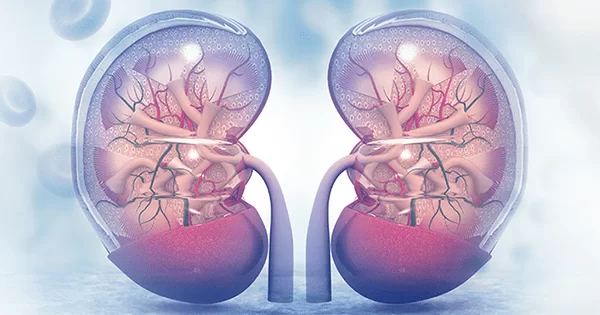
Kidney transplantation is a surgical procedure that may be considered for kidney patients. This transplantation is performed on ill individuals, with the aim of supporting return to daily life. Once a diagnosis of kidney failure is made, the doctor discusses with the patient whether they wish to undergo transplantation.
If the patient accepts the kidney transplantation procedure, their name is added to a list of other patients waiting for transplantation. The patient continues dialysis, allowing the machine to perform the function of their kidneys until it is their turn and a suitable organ is found.
This process does not end with the patient's acceptance and finding a kidney. The person must not have serious health problems that could prevent them from tolerating this serious surgery. For example, individuals who previously received cancer treatment or are currently cancer patients typically do not undergo this transplantation. Similarly, serious diseases such as bone infections and Hepatitis B are risk factors that may be contraindications for this transplantation.
If you have no serious disease besides kidney failure and no contraindications to surgery arise, this transplantation procedure may be an option for you, subject to your doctor's evaluation.
Life after transplantation is also quite important. After surgery, you must comply with your doctor's advice and rules to reduce the risk of rejection of the kidney by the immune system.
Who Cannot Receive Kidney Transplantation?
Kidney transplantation is a surgical procedure performed on patients with kidney failure. Kidney failure is the loss of the kidney's ability to filter waste and excess water from the body. Kidney transplantation may provide better quality of life and longer survival compared to dialysis therapy for some patients, according to available data. However, kidney transplantation cannot be performed on everyone.
Patients Who Cannot Receive Kidney Transplantation
- Patients with active cancer: Kidney transplantation may negatively affect cancer treatment. Therefore, kidney transplantation is generally not performed on patients with active cancer.
- Patients with active infections: Kidney transplantation may cause spread of infection. Therefore, kidney transplantation is generally not performed on patients with active infections.
- Patients with uncontrolled heart disease: Kidney transplantation may place additional strain on the heart. Therefore, kidney transplantation is generally not performed on patients with uncontrolled heart disease.
- Patients with uncontrolled diabetes: Diabetes increases the risk of complications following kidney transplantation. Therefore, kidney transplantation is generally not performed on patients with uncontrolled diabetes.
- Patients with immune system problems: Immune system problems may increase the risk of kidney transplantation failure. Therefore, kidney transplantation is generally not performed on patients with immune system problems.
- Patients with unknown cause of kidney failure: Kidney transplantation is generally not performed on patients whose cause of kidney failure is unknown.
)
What Are the Benefits of Kidney Transplantation?
Kidney failure is the loss of the kidney's ability to filter waste and excess water from the body. Patients with kidney failure can be treated with dialysis or kidney transplantation. Dialysis is a treatment method in which machines perform the functions of the kidneys. Kidney transplantation, on the other hand, is a procedure in which a healthy kidney from a donor is surgically transplanted into the patient's body when the patient's kidneys lose function.
Kidney transplantation may offer several advantages compared to dialysis treatment for some patients. Patients with kidney transplants often report a better quality of life compared to dialysis patients. Patients with kidney transplants may have more energy than dialysis patients and may be able to lead more active lives. Additionally, patients with kidney transplants may have a lower risk of certain infections compared to dialysis patients, though individual results can vary.
Potential benefits of kidney transplantation may include:
- Quality of life: Patients with kidney transplants often report a better quality of life compared to dialysis patients. They may have more energy than dialysis patients and may be able to lead more active lives.
- Life expectancy: Patients with kidney transplants may have longer survival compared to dialysis patients, according to available data. Half of patients receiving living kidney transplants live free of dialysis for 25 years, while half of patients receiving deceased donor kidney transplants live free of dialysis for 10 years, according to reported statistics.
- Infection risk: Patients with kidney transplants may have a lower risk of certain infections compared to dialysis patients. Dialysis is a treatment method that can weaken the immune system, while kidney transplantation involves immune system considerations that your doctor can explain in detail.
Kidney transplantation is considered an effective treatment method for many patients with kidney failure. Outcomes, including quality of life and life expectancy, can vary by individual and should be discussed with your doctor.

In Which Diseases Is Kidney Transplantation Performed?
Kidney transplantation is a surgical procedure performed on patients with kidney failure. Kidney failure is the loss of the kidney's ability to filter waste and excess water from the body. Patients with kidney failure can be treated with dialysis or kidney transplantation.
Kidney transplantation may be considered in the following conditions:
Chronic kidney failure: Chronic kidney failure is the gradual loss of kidney function. Chronic kidney failure can result from various causes such as diabetes, hypertension, lupus, and polycystic kidney disease.
Acute kidney failure: Acute kidney failure is the sudden and temporary loss of kidney function. Acute kidney failure can result from various causes such as infection, trauma, medication side effects, and other conditions.
In cases where hemodialysis treatment is insufficient: Hemodialysis is a treatment method in which machines perform the functions of the kidneys. Hemodialysis treatment may improve the quality of life and life expectancy of patients with kidney failure. However, in some cases hemodialysis treatment may be insufficient. In these situations, kidney transplantation may be an option that a doctor could consider to help support the patient's quality of life and life expectancy.
Kidney transplantation can be performed with kidneys from living donors or deceased donors. Kidneys from living donors may last longer than kidneys from deceased donors, though outcomes vary. However, patients who receive kidney transplants from living donors need to use immunosuppressive medications. These medications can increase infection risk.
What Are the Possible Risks and Side Effects of Kidney Transplant Surgery?
Kidney transplantation is a surgical procedure performed on patients with kidney failure. Kidney transplantation can be performed with kidneys from living donors or deceased donors. Kidney transplant surgery is performed under general anesthesia and typically lasts approximately 3-4 hours.
The possible risks and side effects of kidney transplant surgery may include:
- Anesthesia risks: Anesthesia carries risk in kidney transplant surgery as in all surgical procedures. Risks associated with anesthesia include respiratory arrest, heart attack, and stroke.
- Risk of bleeding: During kidney transplant surgery, bleeding may occur from the blood vessels to which the kidneys are attached. This condition may necessitate blood transfusion.
- Risk of infection: There is a risk of infection after kidney transplant surgery. These infections can develop at the surgical site, in the urinary tract, or in the bloodstream.
- Immune system reaction: Patients who receive kidney transplants need to use immunosuppressive medications. These medications can increase infection risk. Additionally, kidney transplantation may fail due to immune system reaction.
- Other risks: Other risks associated with kidney transplant surgery include wound leakage, thrombosis, and embolism.
The possible risks and side effects of kidney transplant surgery may vary depending on the patient's general health status and the type of surgery. Please discuss these risks in detail with your doctor.
Care After Kidney Transplantation
Patients who receive kidney transplants must have regular follow-up appointments with their doctor after surgery. These patients should use immunosuppressive medications as prescribed.
Patients who receive kidney transplants should pay attention to the following:
- Use medications regularly
- Protect themselves from infection
- Eat a healthy diet
- Exercise regularly
Does Transplantation Provide Advantages Over Dialysis?
Kidney failure is the loss of the kidney's ability to filter waste and excess water from the body. Patients with kidney failure can be treated with dialysis or kidney transplantation. Dialysis is a treatment method in which machines perform the functions of the kidneys. Kidney transplantation, on the other hand, is a procedure in which a healthy kidney from a donor is surgically transplanted into the patient's body when the patient's kidneys lose function.
Transplantation may offer certain advantages over dialysis for some patients, including potentially better quality of life and longer survival, according to available data.
Potential Advantages of Transplantation Compared to Dialysis
- Quality of life: Transplant patients often report a better quality of life compared to dialysis patients, with more energy and the ability to lead more active lives.
- Life expectancy: Transplant patients may have longer survival compared to dialysis patients, according to reported statistics. Half of patients receiving living kidney transplants live free of dialysis for 25 years, while half of patients receiving deceased donor kidney transplants live free of dialysis for 10 years.
- Infection risk: Transplant patients may have a lower risk of certain infections compared to dialysis patients. Dialysis is a treatment method that can weaken the immune system, while transplantation involves different immune system considerations that your doctor can explain.
Considerations Regarding Transplantation
Transplantation also involves certain considerations compared to dialysis. Transplantation is generally a more costly treatment method than dialysis. Additionally, transplant patients need to use immunosuppressive medications. These medications can increase infection risk.
Who May Be Considered for Transplantation?
Transplantation may be considered for patients with kidney failure, including those who cannot tolerate dialysis treatment, those who are at risk from dialysis treatment, and those who wish to discuss with their doctor ways to potentially improve their quality of life.
How Is Transplantation Performed?
Transplantation is a surgical procedure performed under general anesthesia. During surgery, a healthy kidney obtained from a donor is transplanted into the patient's body. Kidney transplantation is usually performed through an abdominal incision.
Transplantation surgery typically lasts approximately 3-4 hours. After surgery, the patient stays in the hospital for several days.
Care After Transplantation
Transplant patients must have regular follow-up appointments with their doctor after surgery. Transplant patients need to use immunosuppressive medications as prescribed.
Transplant patients should pay attention to the following:
- Use medications regularly.
- Protect themselves from infection.
- Eat a healthy diet.
- Exercise regularly.
Transplantation is considered an effective treatment method for many patients with kidney failure. Outcomes, including quality of life and life expectancy, can vary by individual and should be discussed with your doctor.
What Are the Advantages of Living Donor Kidney Transplantation?
Kidney transplantation is a surgical procedure performed on patients with kidney failure. Kidney transplantation can be performed with kidneys from living donors or deceased donors. Living donor kidney transplantation may have certain advantages compared to deceased donor kidney transplantation, which your doctor can discuss with you.
Potential Advantages of Living Donor Kidney Transplantation
- Earlier transplantation: In living donor kidney transplantation, the waiting time for kidney transplantation may be shorter. This may allow patients to be freed from dialysis treatment earlier.
- Compatibility: Ki
Medical Information.This content has been prepared by the Vimfay content team with contributions from physicians who are experts in their field. All content on the site is for general informational purposes only and does not constitute medical advice. Vimfay is an intermediary organization; it does not provide diagnosis or treatment services. Please consult a physician for evaluation, diagnosis, and treatment regarding your complaint.
Let's plan the process together
Share your complaint in your own language; our team will get back to you.
Free Pre-AssessmentReviews
Be the first to write a review.