Chemotherapy: Definition, Administration Methods, and Duration
In some cases, chemotherapy alone may not be effective, and radiotherapy or surgical intervention may be necessary alongside it.
Chemotherapy
Chemotherapy is performed to destroy cancer cells growing in the bodies of individuals who have cancer through drug treatment. These drugs are generally referred to as anticancer drugs. The drugs and methods used vary depending on the type and stage of cancer.
- The most important purpose of chemotherapy is to eliminate cancer, regardless of its type and stage.
- In accordance with this purpose, cancer cells spreading throughout the body are attempted to be controlled. The growth and spread of cancer is prevented and controlled through chemotherapy treatment.
- It is also aimed at preventing health problems that arise during the cancer process. The pain that occurs is attempted to be minimized through this method.
In some cases, chemotherapy alone may not be effective, and radiotherapy or surgical intervention may be necessary alongside it.
What is Chemotherapy?
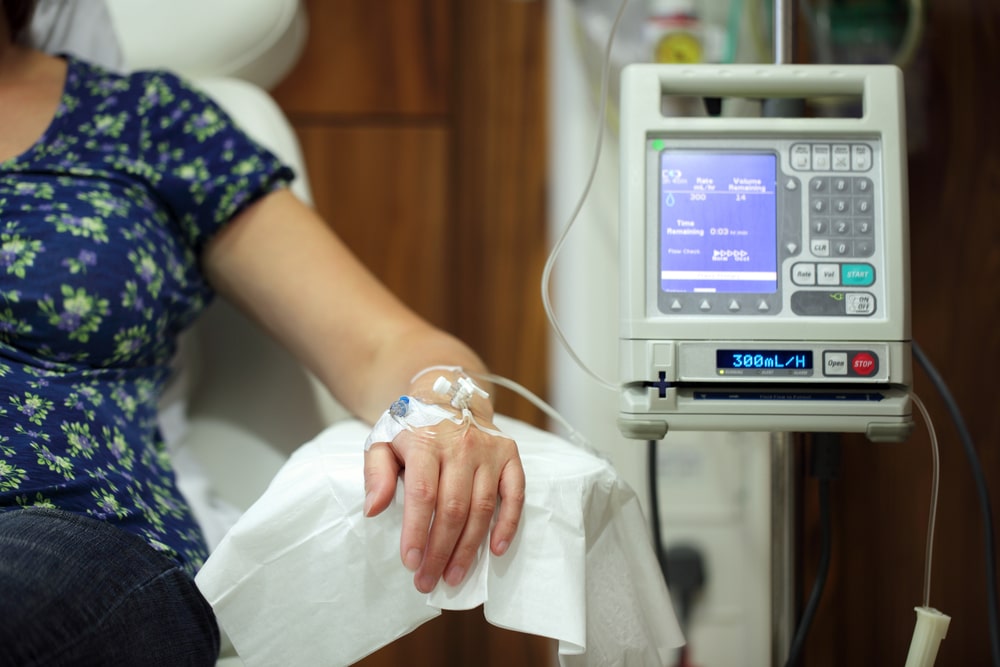
It means treating cancer diseases with medication. Depending on the type and stage of cancer, there may be changes in the medications and duration of use. With medication, cancer cells are targeted with the aim of destroying these malignant cells.
Non-cancerous healthy cells have the potential to regenerate even if they are damaged. A damaged cancer cell cannot regenerate itself. However, the spread of cancer cells throughout the body progresses very rapidly. For this reason, it must be treated and controlled.
How is Chemotherapy Administered?
The chemotherapy process can be explained in two ways. First, preparing the patient for chemotherapy treatment, and second, administering the chemotherapy treatment.
Preparing the Patient for Chemotherapy Treatment:
- Drugs given in cancer diseases are generally administered to the patient through an intravenous line. If the patient does not want an intravenous line to be placed each time, a tube called a catheter or a device called a port is placed on one of the veins in the neck.
- Before chemotherapy treatment is started, liver function tests, kidney function tests, and complete blood count tests are performed on the patient. A cardiac examination should also be performed.
- Chemotherapy treatment affects the body's ability to fight infections. For this reason, if the patient has dental infections, they should have a dental examination before treatment.
- Since chemotherapy will also affect the patient's eggs and sperm, doctors should provide this information beforehand. An informed patient may request to freeze their eggs or sperm if desired. The patient should also be told to prepare themselves for another side effect, hair loss.
- Finally, the preparation phase is completed by discussing how the patient will return to their routine life.
Afterward, chemotherapy treatment is administered to the patient.
Administering Chemotherapy to the Patient:
- Chemotherapy drugs are administered to the patient through a method called infusion. That is, drugs placed in serum are given to the patient through an intravenous line.
- Chemotherapy drugs can also be given to the patient orally in the form of capsules or tablets.
- Chemotherapy drugs are also administered to the patient as a needle placed under the skin.
- Chemotherapy drugs are given directly to cancer cells present in the patient.
- If there are blood vessels that feed the tumor and cancer, drugs can also be applied to these vessels.
How Long Does Chemotherapy Last?
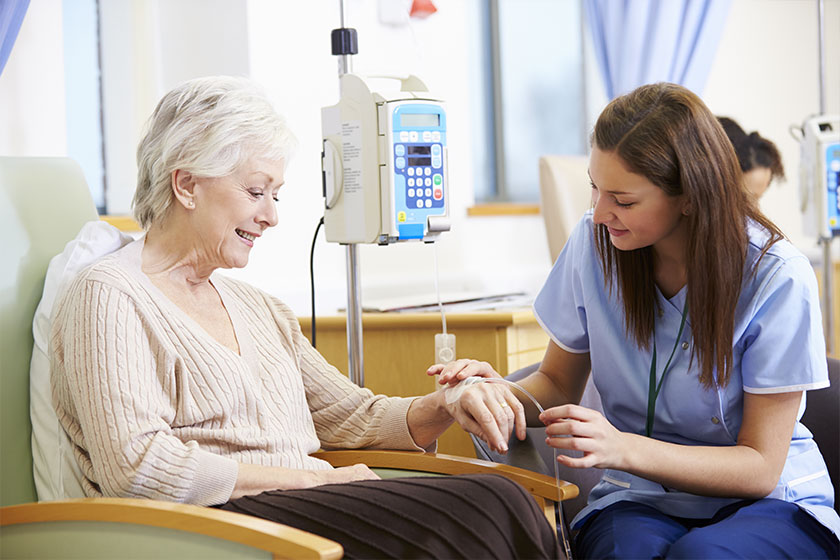
Like any disease, the process in this disease is personalized and varies from patient to patient. Many factors such as the patient themselves, the type of cancer, and the stage of cancer can change this duration.
However, in general, while the administration time of some cancer drugs is about 1-2 minutes, the administration of others varies between 2-5 days. Based on the doctor's decision according to the cancer type, either a single drug or 2-4 drugs can be used together.
The administration of drugs and the patient's rest period is referred to as one cycle. These cycles are at least 4 sessions but can extend up to 1-2 years. The drugs can be administered on consecutive days, once a week, once every 15 days, or once every 21-28 days.
How Long Does a Cancer Patient Receiving Chemotherapy Survive?
The chemotherapy process and dose varies depending on the patient and cancer type. While the survival rate of patients was very low in the past, with current technology, the survival rate of patients has increased considerably.
Not all cancer is actually fatal. While advanced-stage cancers can be life-threatening, drug treatment can extend this period to 1-2 years. However, in some cases, cancer patients have been observed to live for more than 5 years.
It is not appropriate to predict a lifespan for an individual who is a cancer patient. At this stage, doctors provide the most accurate information. By consulting with qualified professionals and undergoing an examination as soon as possible, you can find quick and accurate answers to all your questions.
How Long Does One Cycle of Chemotherapy Last?
Chemotherapy is the term given to the treatment of cancer cells with medication. The dose and duration of these procedures varies from person to person and depends on the disease.
One cycle of chemotherapy proceeds as follows. For example, a patient receives chemotherapy treatment for one week. The doctor gives a 3-week recovery period for healthy cells that are damaged along with cancer cells to recover. This 4-week period is referred to as one cycle.
How Do Blood Values Increase After Chemotherapy?
While undergoing chemotherapy, a decrease can be seen in platelets and red and white blood cells. The reason for this is the heavy drugs used. This is normal, and after treatment, it is necessary to stay in contact with your doctor to increase these values again.
Since the body has received intense medication, patients who do not want to proceed with medication adjustment should eat foods rich in iron. These include:
- Red meats,
- Chicken and turkey meat,
- Fish meats such as tuna and salmon,
- Eggs,
- Tofu and soybeans,
- Dried beans, lentils, chickpeas, fava beans, cranberry beans and other legumes rich in protein and iron,
- Hazelnuts, walnuts, and almonds,
- Fresh vegetables and fruits,
- Green leafy vegetables such as mint, parsley, arugula, and spinach,
- Tahini and molasses,
- Dried fruits should be consumed under doctor supervision.
Why is Chemotherapy Given Every 21 Days?
Chemotherapy is an important component of cancer treatment and is used in patients to destroy cancer cells or stop their growth. The process of giving chemotherapy every 21 days is determined to minimize the multiplication cycle of cancer cells and damage to healthy cells.
Chemotherapy drugs attack rapidly dividing cells to kill cancer cells or slow their growth. However, they can also damage healthy cells in the body. For this reason, a recovery period is given between chemotherapy sessions. The 21-day period is preferred to coincide with the time when cancer cells are most sensitive and at the same time to increase the body's chance of recovery.
Every patient is different, and chemotherapy protocols are personalized. In some cases, chemotherapy may be administered at different intervals or timeframes. Doctors determine the most appropriate treatment plan by considering the patient's cancer type, stage, overall health status, and side effects.
In conclusion, administering chemotherapy sessions every 21 days is not a standard set to affect cancer cells and optimize the body's chance of recovery, but it is commonly used in many cancer treatment protocols. It is important that patients collaborate with their doctors to determine the most appropriate treatment plan.
Pain After Chemotherapy
Chemotherapy is commonly used in cancer treatment, but it can cause some side effects during and after treatment. Pain after chemotherapy is one of these side effects. Pain after chemotherapy can occur due to various reasons.
First, chemotherapy drugs target cancer cells but can also damage healthy cells in the body. Therefore, pain after chemotherapy may result from tissue damage or inflammation in the body. Additionally, some chemotherapy drugs can affect bone marrow, which can lead to bone pain.
To manage pain after chemotherapy, doctors may suggest different treatment methods depending on the cause of the pain. Painkillers, anti-inflammatory drugs, physical therapy, or other treatment options can be used. Treatment is personalized based on the intensity and duration of pain and the patient's overall health status.
Pain after chemotherapy can negatively affect the patient's quality of life, so it is important to communicate openly about pain and follow doctor's advice. Pain experienced during treatment should be monitored by doctors and appropriate treatments should be applied when necessary. This can help patients have a more comfortable experience during chemotherapy treatment.
How Can Pain After Chemotherapy Be Relieved?
Radiotherapy and chemotherapy methods used in cancer treatment can reduce cancer pain to a certain extent. However, after undergoing chemotherapy treatment, pain is among the possible side effects.
These pains usually occur in muscles and bones. In this case, you must be in contact with your doctor and use the painkillers they recommend.
When Do Chemotherapy Side Effects Begin?
Chemotherapy is a cancer treatment that has serious side effects. When people with cancer receive chemotherapy treatment, the most common side effects that will occur in their bodies are as follows:
- Nausea and vomiting,
- Diarrhea and constipation,
- Hair loss,
- Loss of appetite,
- Signs of fatigue,
- High fever,
- Mouth sores,
- Muscle and bone pain,
- Bruising and bleeding on the skin,
These most common side effects are generally seen within the first 24-48 hours and decrease within 7-10 days. However, some side effects have been observed to persist. In abnormal situations or if side effects persist, you should definitely contact your doctor.
What Helps with Nausea After Chemotherapy?
The most common side effect of chemotherapy treatment used in cancer treatment is nausea. One of the most frequently asked questions by patients is how this nausea goes away.
For nausea that occurs after chemotherapy, you should eat liquid things that will help your stomach. Fruit juices, for example, apple juice will help your nausea. Eating salty crackers, cheese, or toast also shows effects in reducing nausea.
How Does Leg Pain Pass After Chemotherapy?
In people receiving chemotherapy, side effects are seen within the first 24-48 hours after treatment. One of these side effects is pain in the legs. Muscle and bone pain is commonly seen because the drugs particularly affect muscle and bone structure.
To prevent situations like this from occurring, you need to pay great attention to your nutrition after chemotherapy. Foods rich in calcium and protein will speed up your body's recovery process. If the intensity of pain is high, in this case you should contact your doctor and the painkillers they recommend can help relieve your pain.
When Do Hair, Eyebrows, and Eyelashes Grow Back After Chemotherapy?
Hair, eyelashes, and eyebrows of patients undergoing chemotherapy treatment may fall out after treatment. This shedding is not permanent, and cells under the skin renew themselves and hair formation begins again. While some chemotherapy treatments do not cause shedding, some can. It should be remembered that this situation will not be permanent.
However, one should be prepared for hair loss. This shedding begins within 14 days following treatment and increases and multiplies over the following 1-2 months.
Since hair will not start growing immediately after shedding, the patient needs to be prepared for this situation. They need to give their body time to renew its cells and slowly eliminate chemotherapy drugs.
Although not definitive, based on the hair growth times of some patients, a list is provided below:
- 2-3 weeks after chemotherapy treatment, faint hair begins to be visible.
- Within 1-2 months, thicker hair forms on the scalp.
- Within 2-3 months, the size of hair on the head can reach 2-3 cm.
- Within 6 months, hair growth of 5-8 cm can be seen.
- Within one year, it becomes more durable and reaches 10-15 cm.
Reaching your hair length before chemotherapy treatment can take a few years.
When Does Hair Grow Back After Chemotherapy?
One of the most common side effects encountered during chemotherapy treatment is hair loss. However, hair loss usually returns after treatment is complete. The process of chemotherapy causing hair loss can vary from person to person, but the time for hair to start regrowing also varies.
The process of hair starting to regrow after chemotherapy depends on the type of treatment, its duration, and the body's individual response. Hair usually begins to grow back to replace hair loss within a few weeks to a few months after chemotherapy ends. However, this process can vary based on personal factors.
When new hair grows, this hair usually differs in color or texture from the original hair. However, over time, hair can return to normal. When hair starts to regrow, it is important to follow a gentle hair care routine.
In conclusion, the process of hair regrowing after chemotherapy can vary from person to person and may differ depending on the type of treatment. However, hair usually begins to regrow within a few weeks to a few months after treatment ends, which is a hopeful development for patients.
When Does Chemotherapy Effect Wear Off?
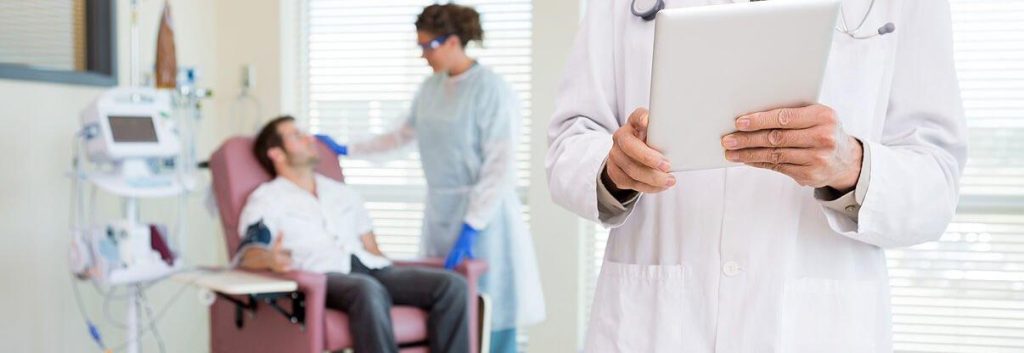
Chemotherapy is a common method in cancer treatment, and patients may experience some side effects throughout their treatment process. The question "When does chemotherapy effect wear off?" is a topic frequently wondered about by patients. However, the answer to this question can vary depending on many factors.
When side effects after chemotherapy will wear off depends on the type of treatment, treatment duration, types of drugs, the patient's general health status, and the severity of side effects. Some side effects lighten soon after treatment, while others may last for several days or weeks.
For example, side effects such as nausea and vomiting usually decrease within a few days of treatment. However, relieving side effects such as hair loss or fatigue may require a longer process.
Rest, good nutrition, and using medications recommended by the doctor are important for side effects after chemotherapy to diminish. Additionally, following your doctor's advice to cope with side effects can also be helpful.
In conclusion, when side effects after chemotherapy will wear off can vary from person to person and may show variation depending on the type of treatment. It is important for patients to maintain close contact with their doctors and take supportive measures during their post-treatment recovery process.
Chemotherapy Treatment Costs
Chemotherapy is an important part of cancer treatment and may be in different price ranges depending on the type of disease, treatment plan, types of drugs, and the patient's overall health status. Chemotherapy treatment is covered by health insurance or public health systems in most countries. However, patients may have out-of-pocket contributions or drug costs.
Chemotherapy costs can vary depending on the amount and frequency of drugs the patient will receive during their treatment process. Additionally, other medical services and tests needed during treatment can also affect the cost.
Patients should examine their health insurance or public health services before chemotherapy treatment and learn which costs will be covered. They should also keep in mind that there may be additional costs throughout the treatment process.
In conclusion, chemotherapy costs can vary depending on a number of factors, and it is important for patients to contact their health insurance or health services to learn and plan their treatment costs. This can help patients better manage their treatment process and have a more financially comfortable experience.
Chemotherapy Treatment Costs in Turkey
Turkey is among the countries where cancer treatment has been successful and completed. It particularly has more advanced technology than some European countries. Turkey has made technological advances and has begun developing methods and equipment to be used in treating many diseases.
For this reason, undergoing treatment in Turkey is one of the most important desires for patients receiving cancer treatment. Many patients treated in Turkey are freed from all cancer cells and return home in a free manner.
Factors such as the advanced equipment and methods used in hospitals, the presence of smiling doctors and nurses are among the reasons for choosing Turkey in this regard. Specialist doctors working in Turkey answer all your questions quickly and correctly, putting you at ease.
One of the most important topics that everyone is curious about is chemotherapy costs in Turkey. Depending on the type of disease, the hospital to be visited, and the treatment and methods to be applied, there are changes in prices. You should contact us to have accurate information about the cost issue.
Medical Information.This content has been prepared by the Vimfay content team with contributions from physicians who are experts in their field. All content on the site is for general informational purposes only and does not constitute medical advice. Vimfay is an intermediary organization; it does not provide diagnosis or treatment services. Please consult a physician for evaluation, diagnosis, and treatment regarding your complaint.
Let's plan the process together
Share your complaint in your own language; our team will get back to you.
Free Pre-AssessmentReviews
Be the first to write a review.